Who Mark is
Mark Sasaki is the creator behind Rising from Zero (@risingfromzero on TikTok, Instagram and YouTube), where he has documented building a business from nothing, one short video at a time, for his family. He was raised in Japan; his grandmother and great-grandmother were tea ceremony teachers, and matcha in his house was a daily ritual rather than a trend. The brand he built is Chiharu Matcha, named, in his words, for someone he loves.
What made the account grow was not matcha. It was that Mark filmed the business honestly: the first bags, the packing table, the pre-order batches, the questions he could not answer yet. People who had never bought matcha bought his because they had watched him work out what it should be. That is a kind of trust a supplier cannot manufacture, and it is exactly what a supplier has to protect.
The brief: one ingredient, Kagoshima, no marketing grade
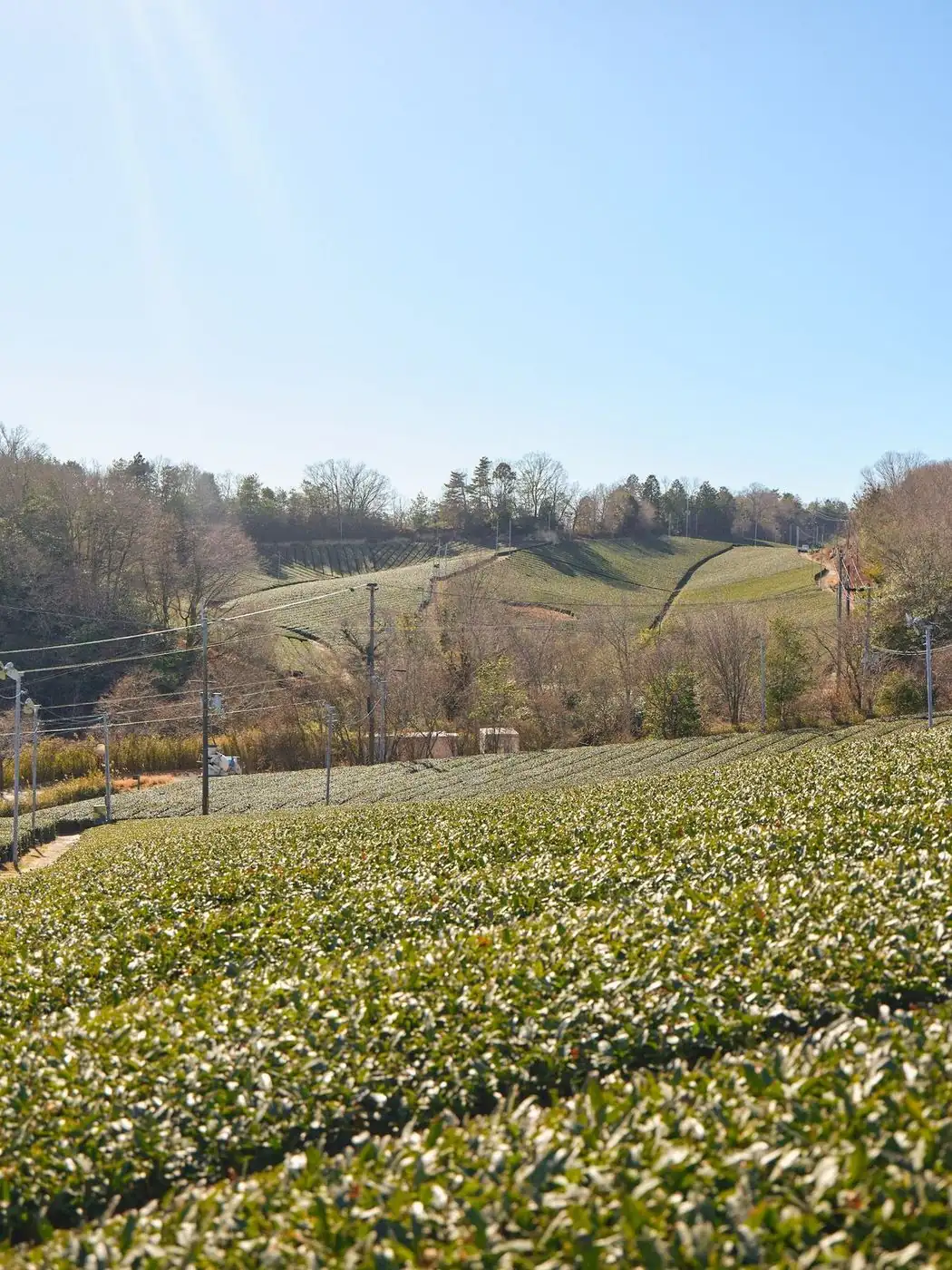
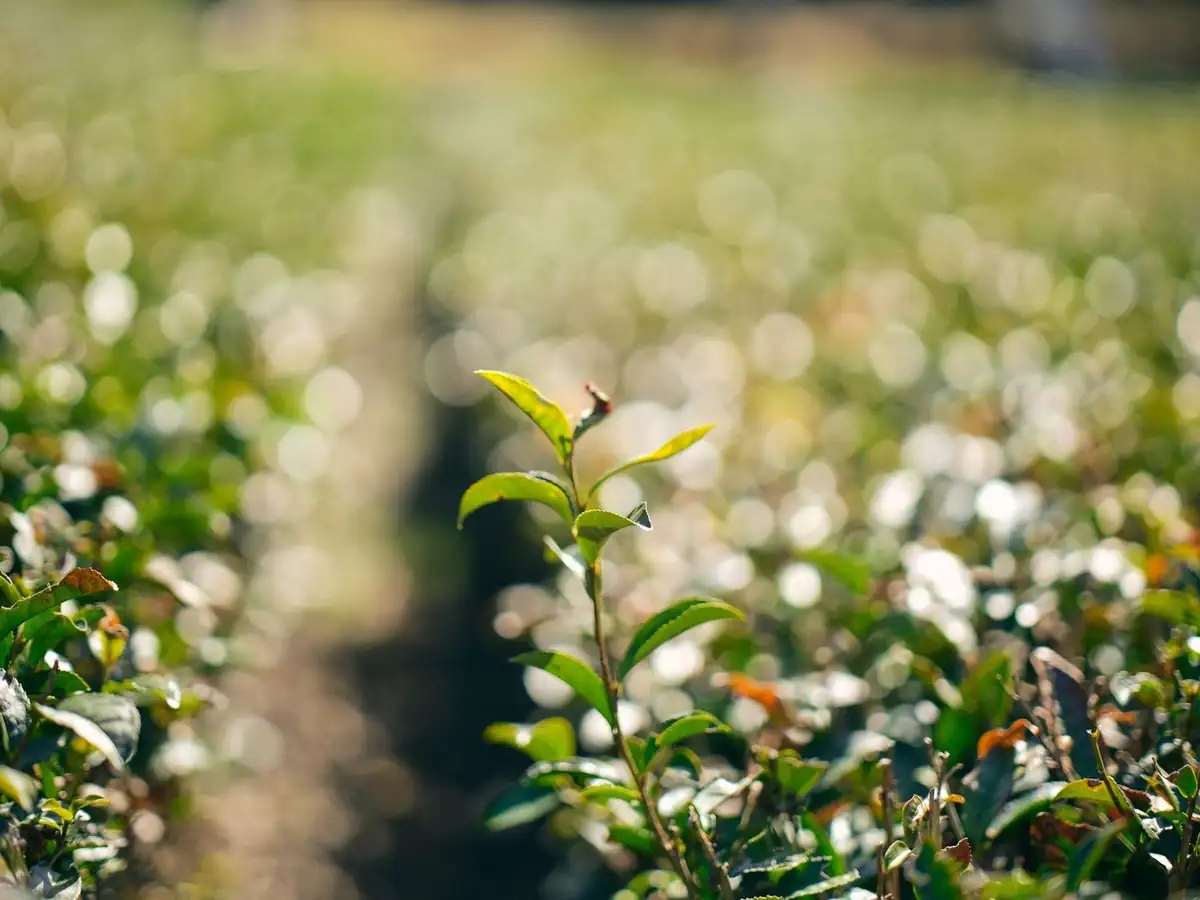
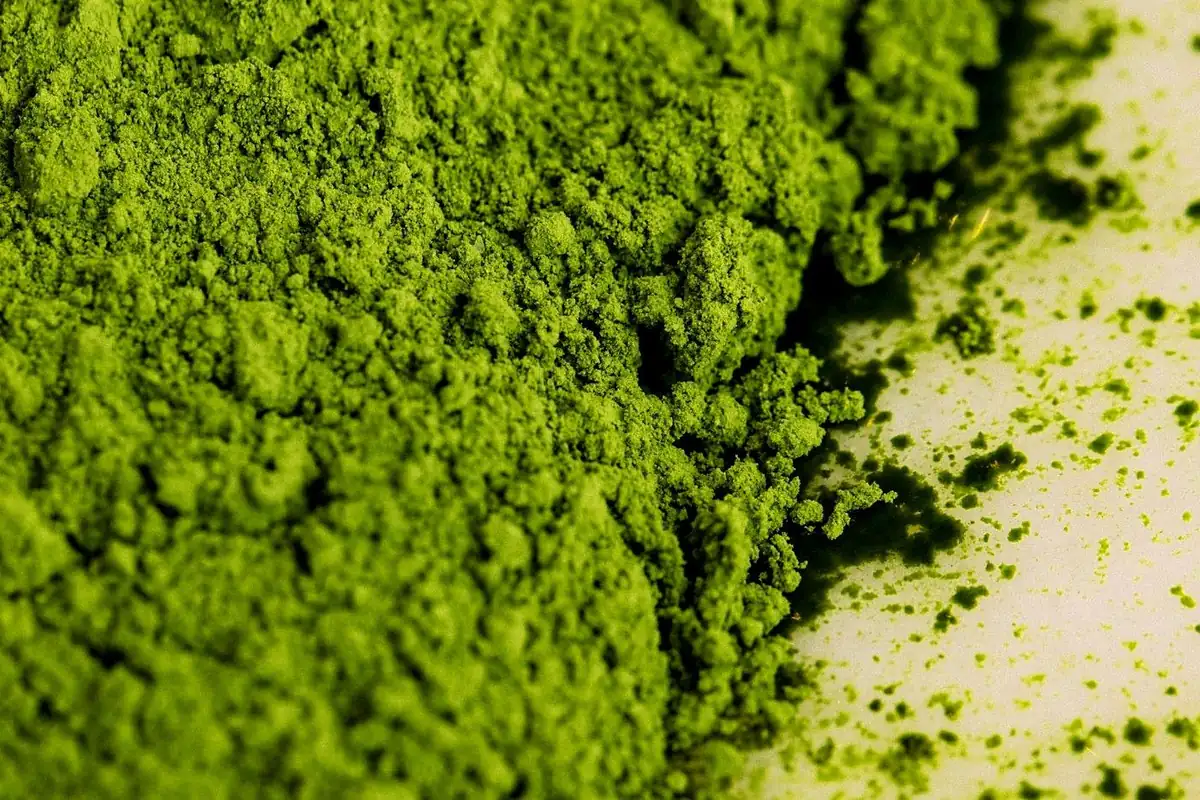
Chiharu's own description of the product is the best summary of the brief we were given. In Mark's words on the brand's site: no fillers, no flavourings, no ceremonial-grade marketing, just one ingredient, matcha from Kagoshima. The matcha is described as a blend of three cultivars grown in the south, Yabukita, Saemidori and Yutakamidori, made in small batches, to be whisked with water or milk, hot or iced.
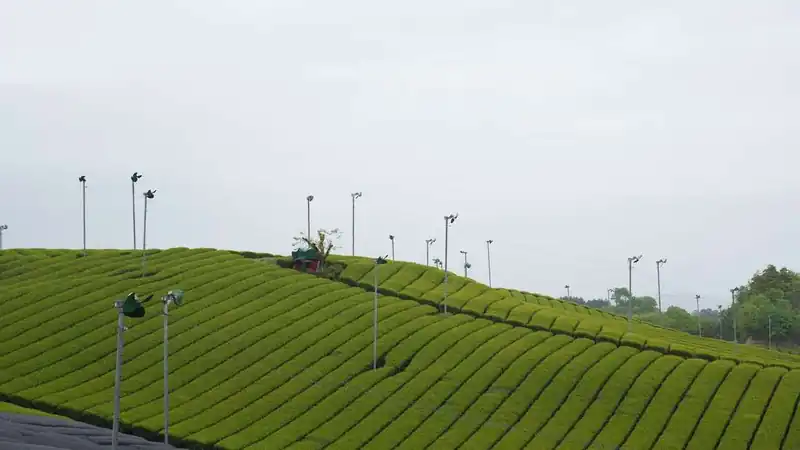
Read as a supplier, that brief has three hard requirements. The leaf has to be Kagoshima, where the volcanic soil and early spring give a deep, round umami and where most of Japan's larger shaded fields are. The blend has to be the same bag after bag, because a brand that sells on trust cannot have batch three taste different from batch one. And the paperwork has to be clean enough that a founder who is not a tea professional can answer any customer who asks what is in it. Our note on the three regions explains why Kagoshima suits a brand that wants volume and consistency.
How a creator brand is supplied from Japan
The mechanics are the same for Chiharu as for any brand we supply, and they are worth spelling out because most founders have never seen them.
- Cupping to a brief, not to a grade name. Samples go out at 20 g, tasted the way the customer will drink them: whisked in water and shaken into cold milk. The lot is chosen on that, not on the word ceremonial.
- A lot, with a spec sheet. Harvest, cultivars, shading, mill and particle size are written down on the specification sheet before the first kilo ships, so the brand knows exactly what it is putting its name on.
- A certificate of analysis per lot. Microbiology, heavy metals, residues and the lot number that matches the bag, every shipment. Our guide to reading a COA walks through the page.
- Reorders that taste the same. The lot is reserved so reorders come from the same tea, and when a lot runs out the replacement is cupped against it before anything ships. This is the standing-order mechanism we offer every customer, and it matters most for a brand whose product has a face on it.
- Shipping from Osaka, documents attached. Commercial invoice, packing list, COA and spec sheet with every box, FDA prior notice filed for US-bound shipments.
What we do not do is as important. We do not tell a brand which story to tell, we do not put our name on their pack, and we do not talk about their volumes or their price. The brand owns the customer; we own the tea and the paperwork behind it.
Why we are on camera
Mark did something few creator brands do: he showed his supplier. Our founder appears in his TikTok, and @issa.matcha is tagged, so anyone who wants to know where Chiharu's matcha comes from can see it. We think that is where this category is going. The 2026 shortage made matcha buyers suspicious of brands with vague origins, and a visible, named Japanese supplier is becoming part of a brand's credibility rather than a trade secret. We were glad to be asked.
What other founders can take from it
- Decide the tea before the pouch. The pouch takes two weeks; a lot you can reorder for a year is the hard part. Our private label guide has the sequence.
- Say the region, the harvest and the cultivar. Chiharu says Kagoshima and names three cultivars. That is more useful to a customer than ceremonial grade, and it is checkable.
- Treat the COA as marketing. The spec sheet and certificate are the proof behind every claim on the label. Ask your supplier for them before you ask for a logo.
- Show the supply chain. A supplier willing to be on camera is a supplier willing to stand behind the lot. If yours is not, ask why.
- Lock the price for the year. A retail pouch has its price printed on it. A standing order is what keeps the back of the pack from eating the front.
If you are building a brand
Every tea in our catalog has its price per kilogram on the page, FOB Osaka, with harvest, cultivar, shading and mill. The Kagoshima café grades, Minami and Tsuyu, and the organic Kagoshima lots are where most brand briefs land; the OEM and private label page has the formats, the minimums from 200 units and the inquiry form. Start the way Mark did: request three samples, taste them in your own recipe, and tell us what you are making.
Questions buyers ask
Where does Chiharu Matcha's matcha come from?
From Kagoshima, Japan, supplied by ISSA MATCHA!. Chiharu describes its tea as a blend of three Kagoshima cultivars, Yabukita, Saemidori and Yutakamidori, with no fillers or flavourings.
Who is Mark Sasaki?
The creator behind Rising from Zero (@risingfromzero) and the founder of Chiharu Matcha. Raised in Japan, with a grandmother and great-grandmother who were tea ceremony teachers, he built the brand in public on TikTok.
Can ISSA MATCHA! supply a creator or private label matcha brand?
Yes. Any tea in the catalog can carry your label from 200 units, with the spec sheet and certificate of analysis for every lot, reserved stock and a price fixed for the harvest year on standing orders. Details on the OEM and private label page.
Do you publish your customers' volumes or prices?
No. What a brand buys and pays is its business. We publish our own catalog prices and the facts a brand chooses to make public about its tea.