
Origins & farms
Every matcha region in Japan, through certified mills. Four in the catalog, the rest by request. Every product names its region and harvest.
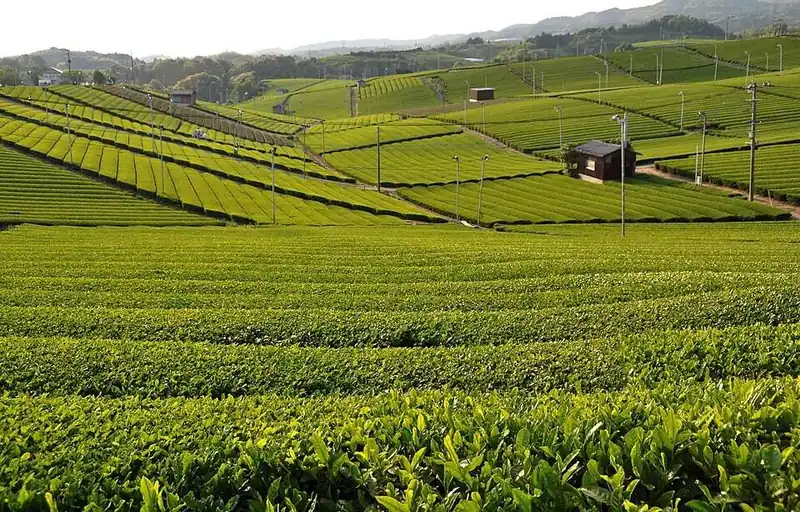
Yame
Mountain tencha, deep umami. Our ceremonial supply.
Aki · Yame · Megumi · Sae · Oku · The Legend of Yame 30 g tin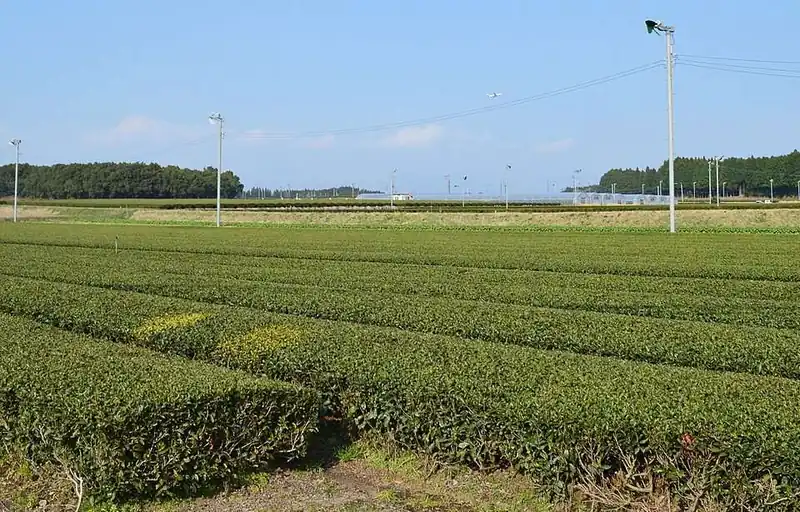
Kagoshima
Flat, sunny, mechanized. The largest organic matcha volume in Japan.
Tsuyu · Jun · Yutaka · Akane · Ine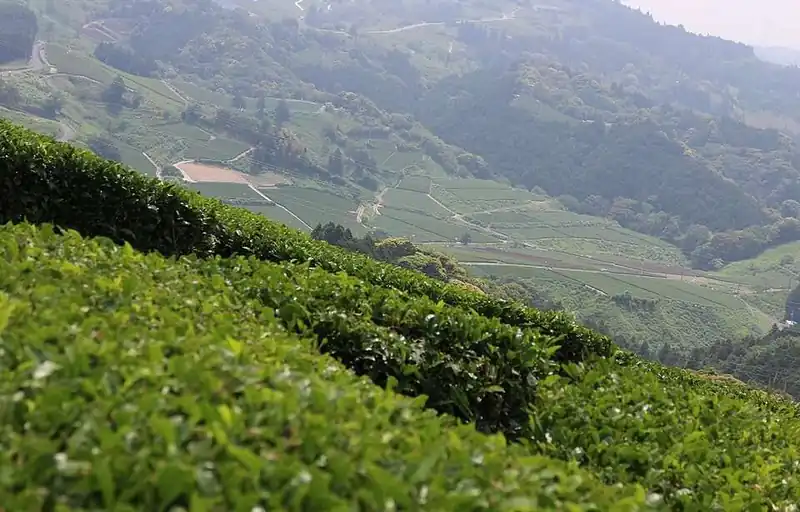
Shizuoka
Steady volume and price. The blends that keep a busy bar consistent.
Hikari · Wa · Mai · Mine · Kaoru · Kiwami · Fuji · Nami · Beni · ISSA MATCHA! 30 g pouch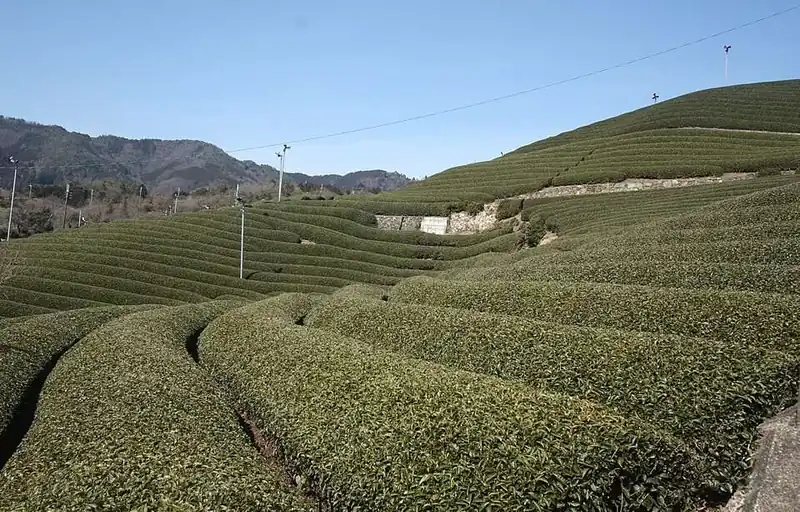
Uji · Kyoto
Uji matcha from the Marukyu Koyamaen range, plus Wazuka lots by request.
Tenju · Choan · Eiju · Unkaku · Kinrin · Wako · Yugen · Chigi no Shiro · Isuzu · Aoarashi · Wakatake · Midorigi · Byakuren · Rindo · Suisen · Ayame · Towa · Sumire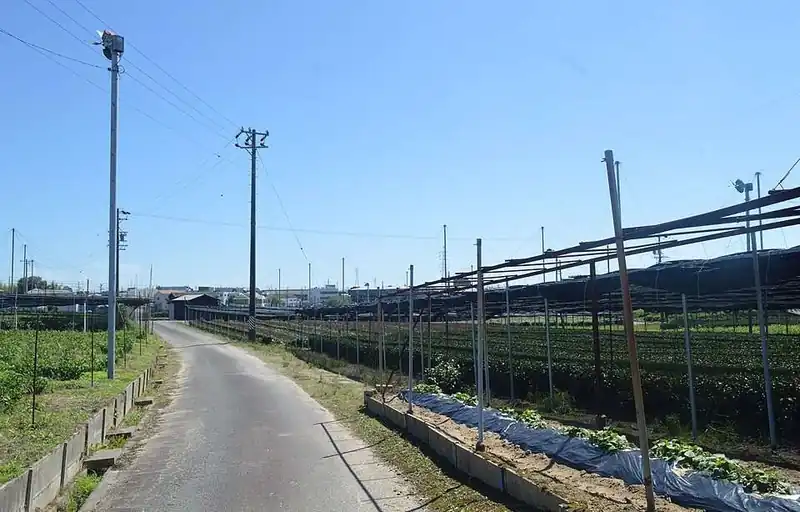
Nishio
Tencha specialists on the Yahagi river plain. Mild, sweet, latte-friendly. By request.
Featured lots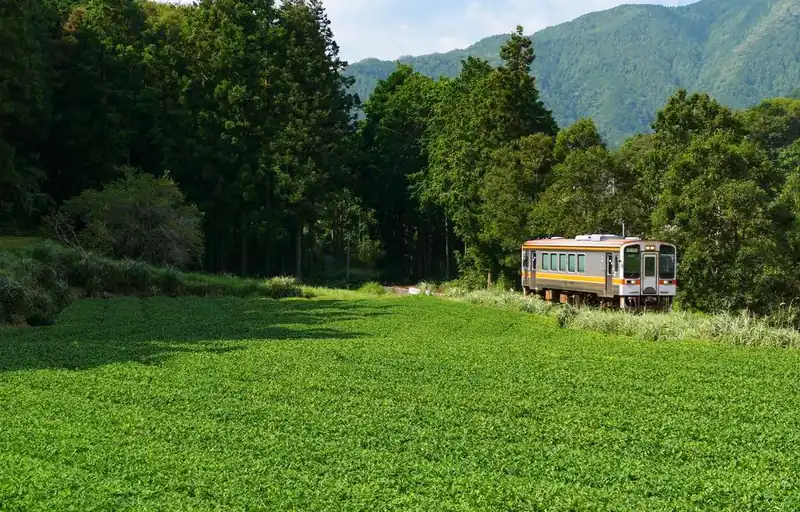
Mie
Japan's third-largest tea prefecture, shading specialists. Kabuse and tencha by request.
Featured lots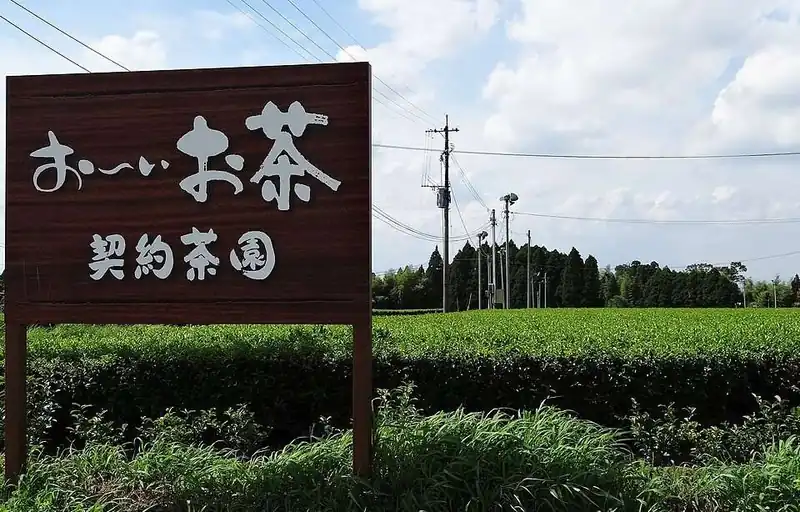
Miyazaki
Warm Kyushu fields, early harvest, strong organic acreage. By request.
Featured lots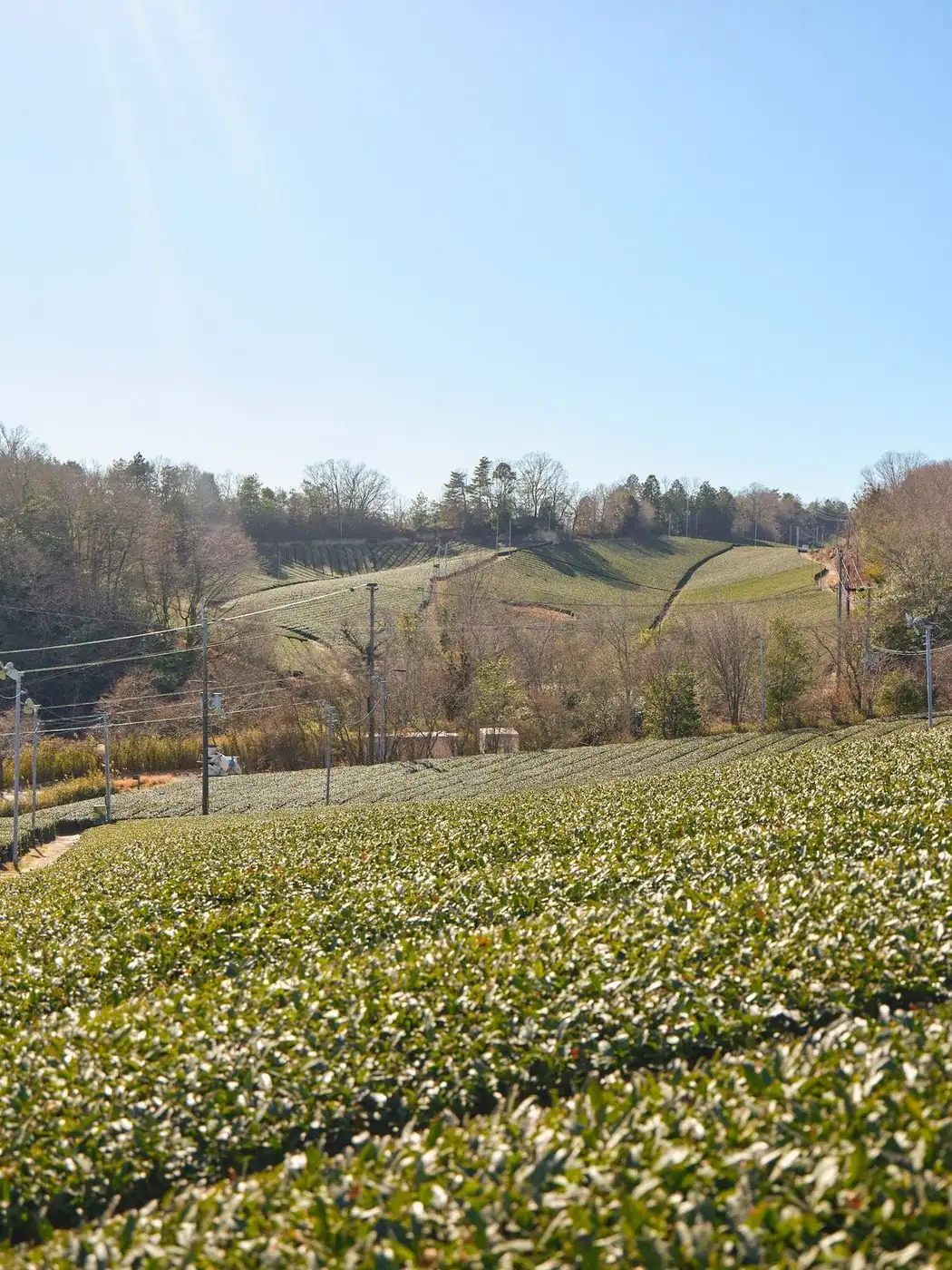
Japan
Multi-origin lots: autumn tencha for the kitchen, gyokuro and kabuse powders for drinks. The lowest price points in the range.
Kasumi · Minori · Tama · KamuiEvery other tencha region in Japan.
Small lots we source through certified mills when a buyer asks for a name. Lead time is usually two to four weeks; samples first.
REGION PHOTOS VIA WIKIMEDIA COMMONS: KANEGEN (CC BY 2.0) · SAIGEN JIRO (CC0) · 観光・CP課 (CC BY 4.0) · NYTM (CC BY-SA 4.0) · ASTURIO CANTABRIO (CC BY-SA 4.0) · MAEDAAKIHIKO (CC BY-SA 4.0) · JA:USER:SANJO (CC BY-SA 3.0) ·
Watch the farms, the harvest, and why it matters.
Filmed by us in Yame and the surrounding hills. Tap to play.
Where the leaf grows.
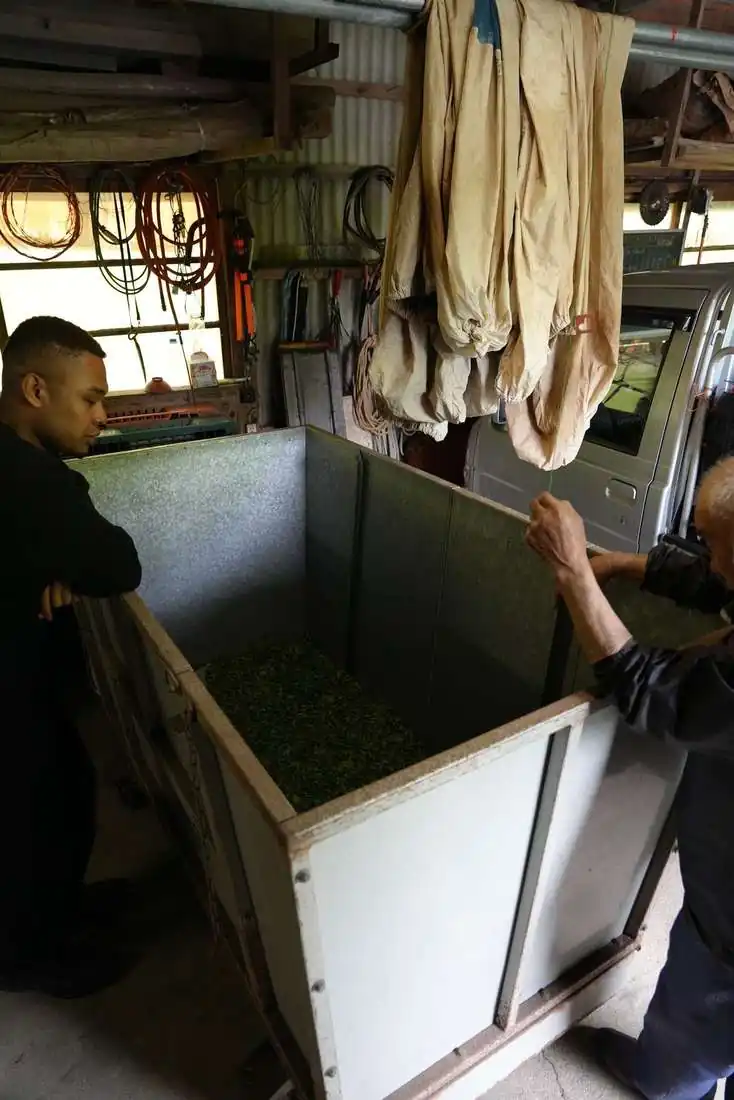
Shot at the farms and mills we buy from, across the year: bare rows in February, shading nets in April, fresh leaf on harvest day.
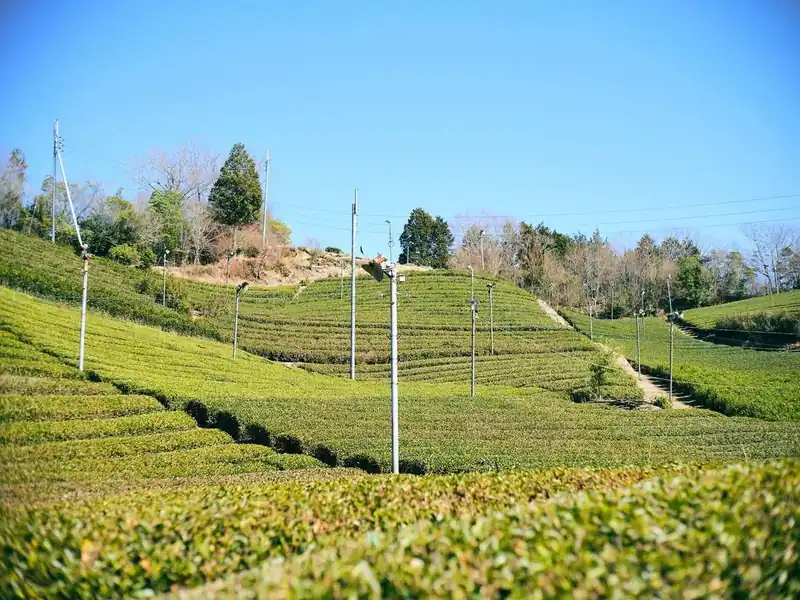 February
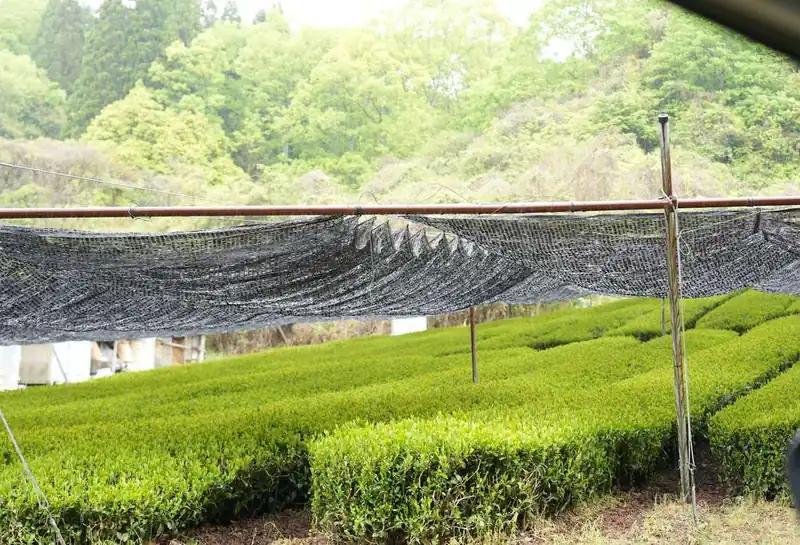 Shading net · April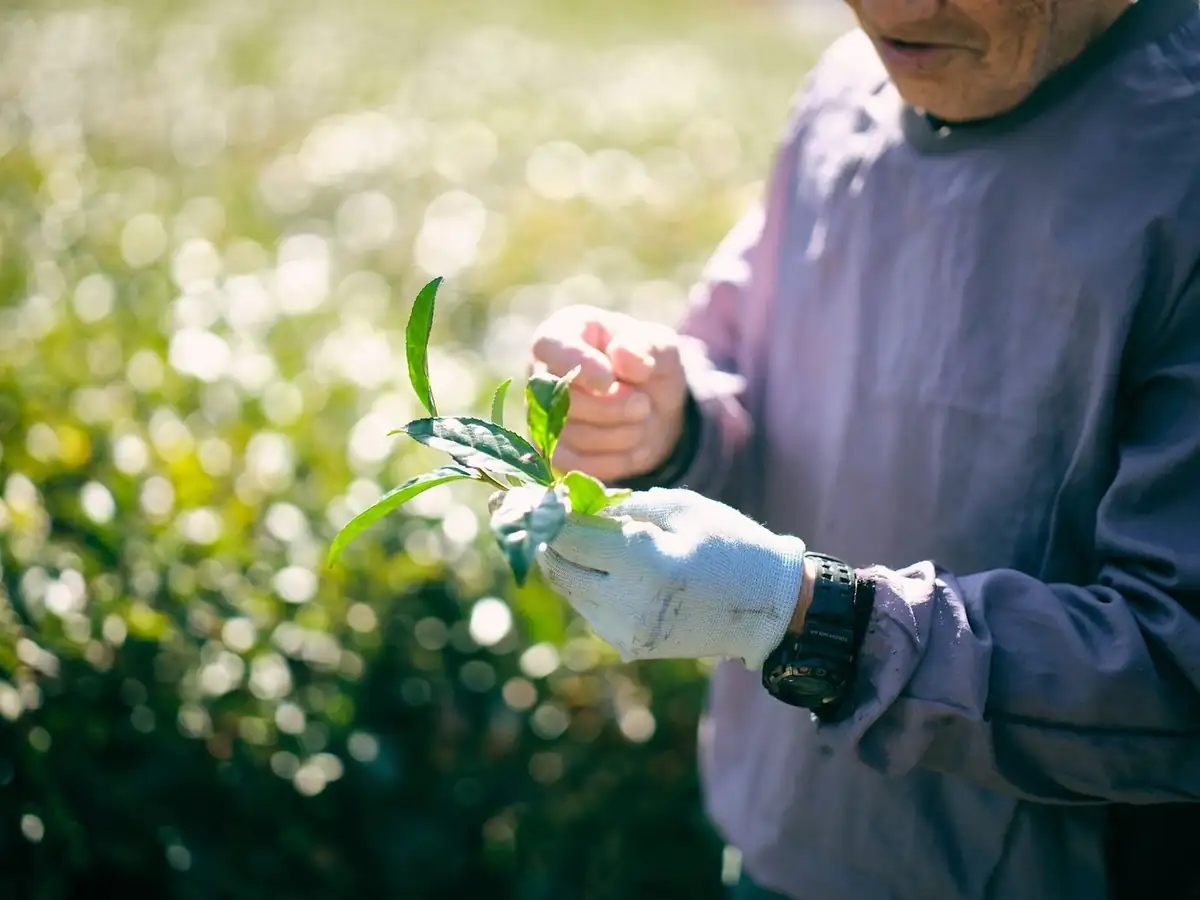
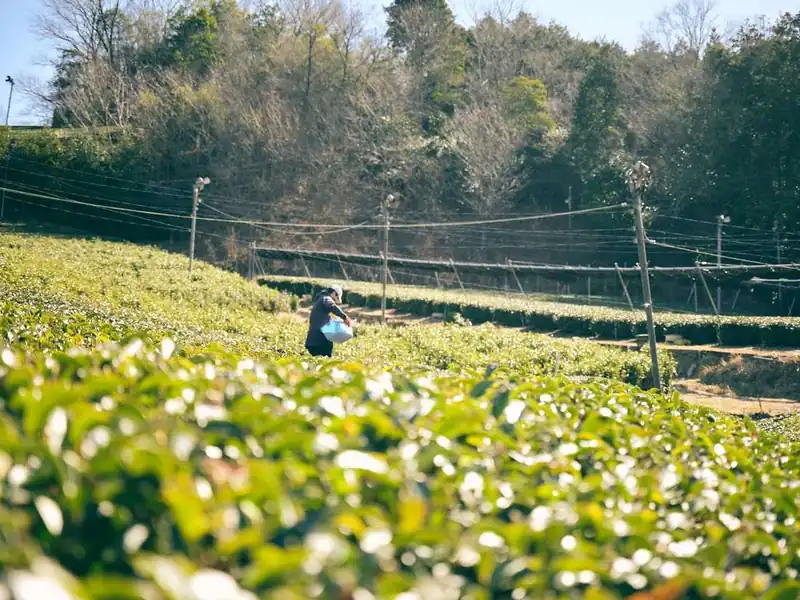
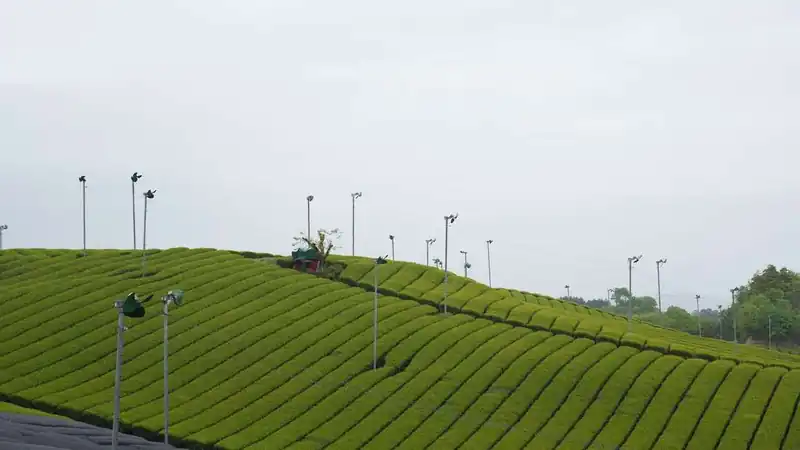 April
April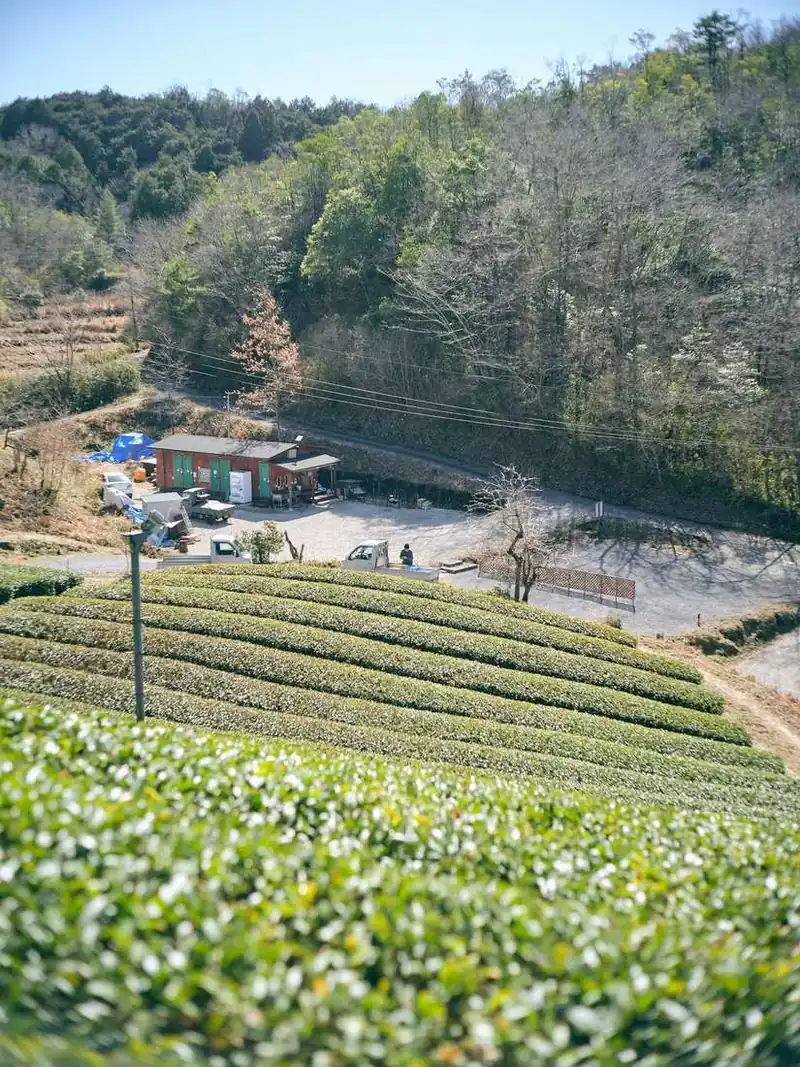
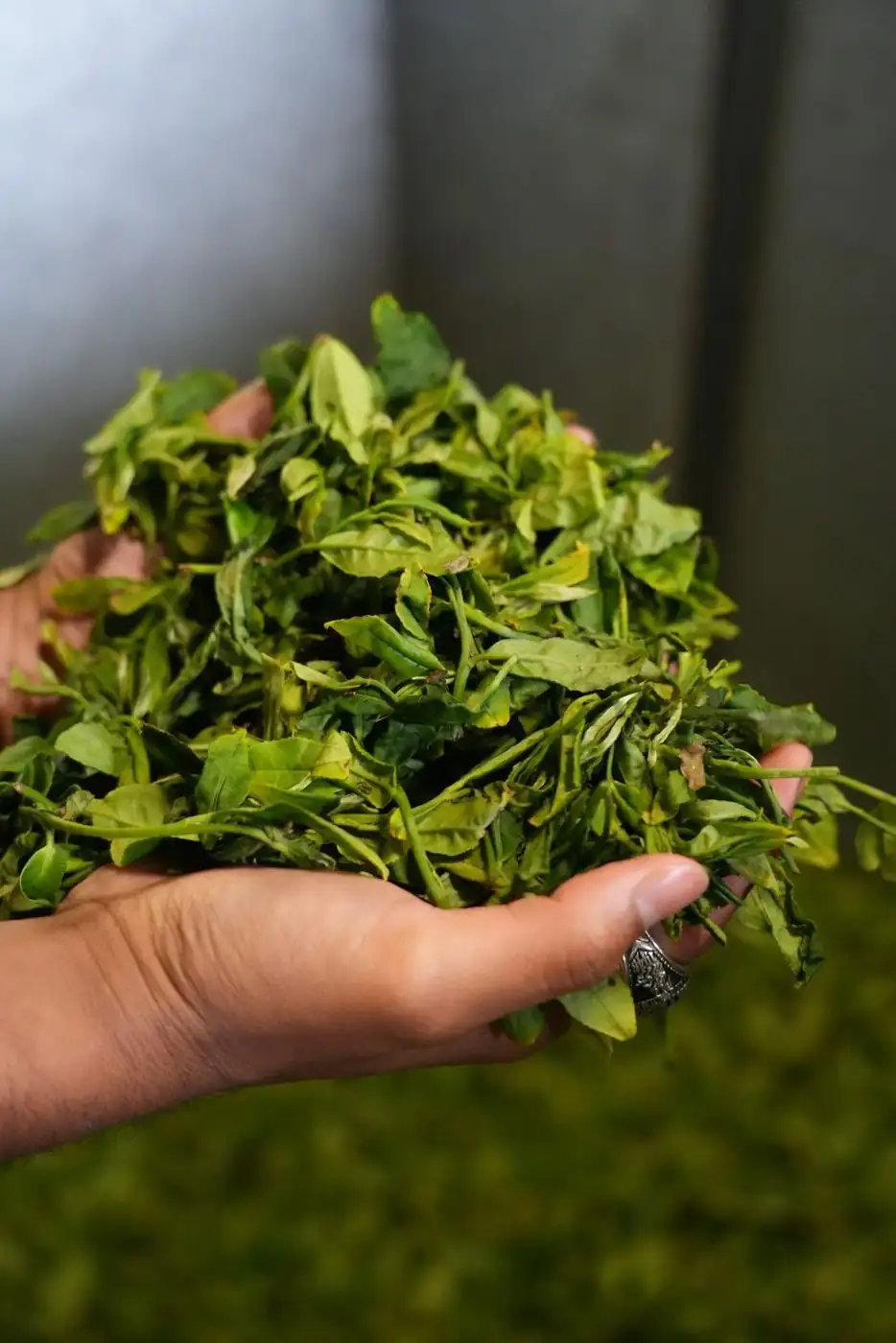 Harvest day
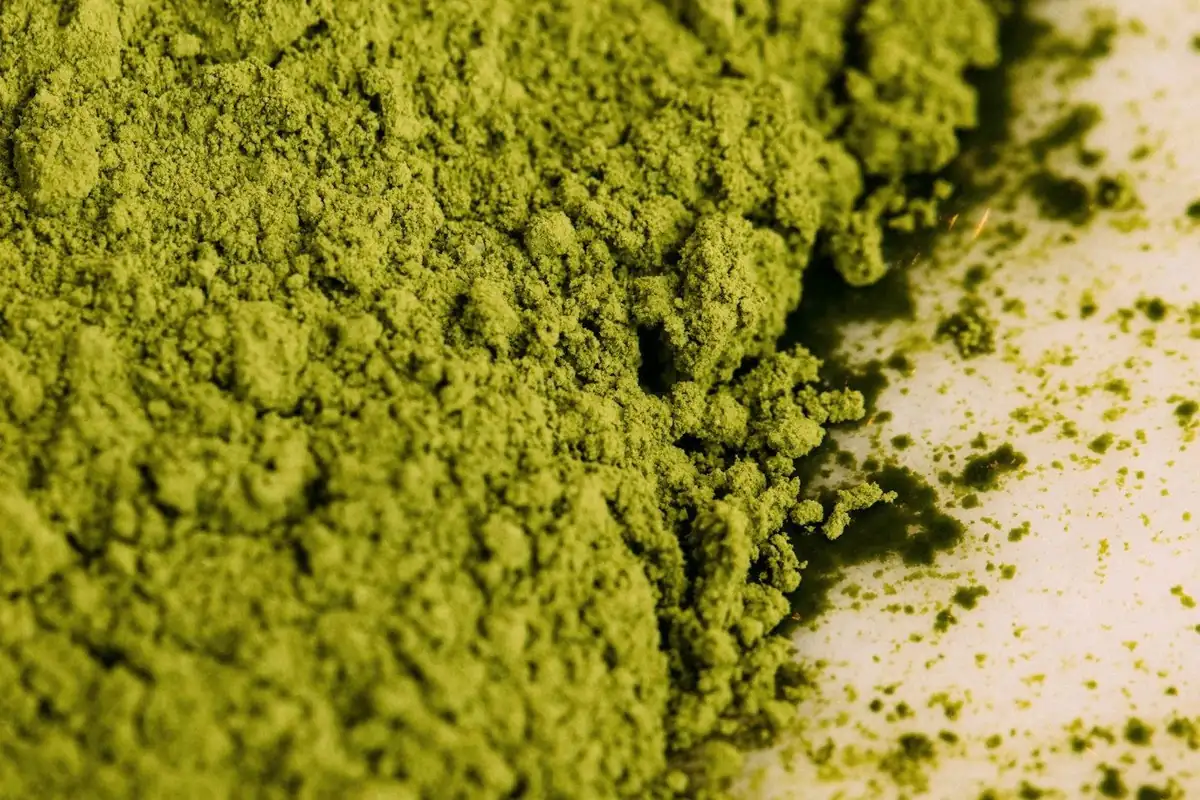 Freshly milled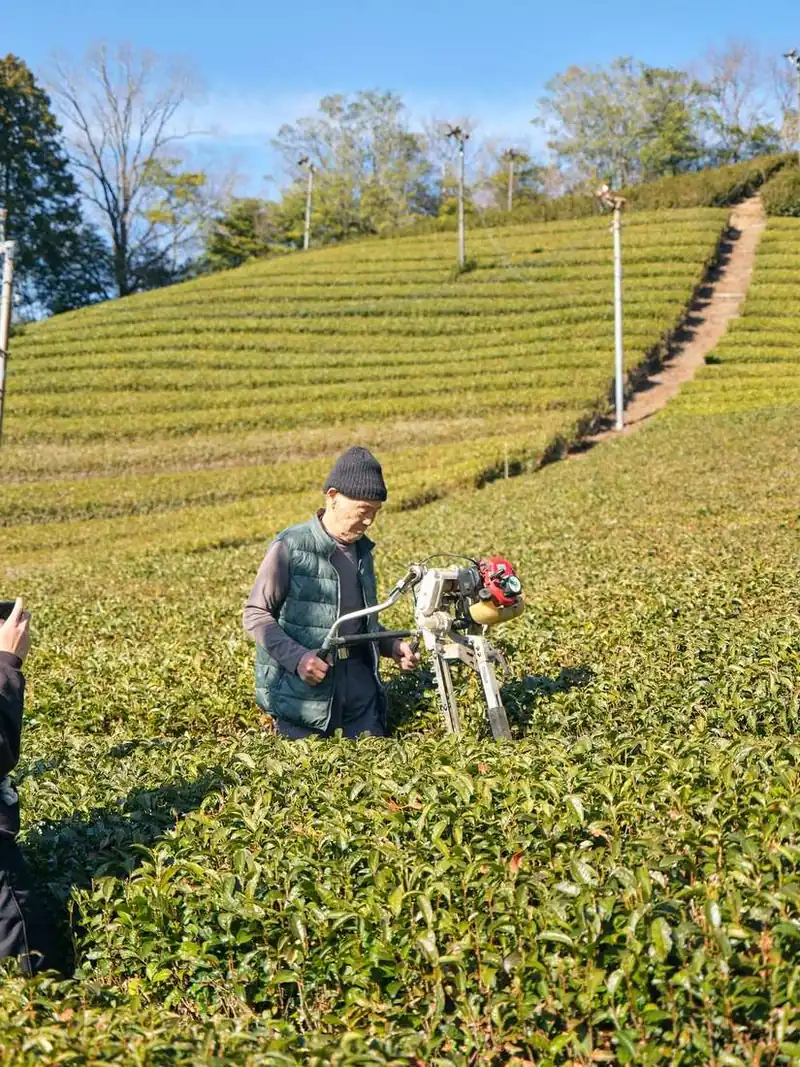
 The growers
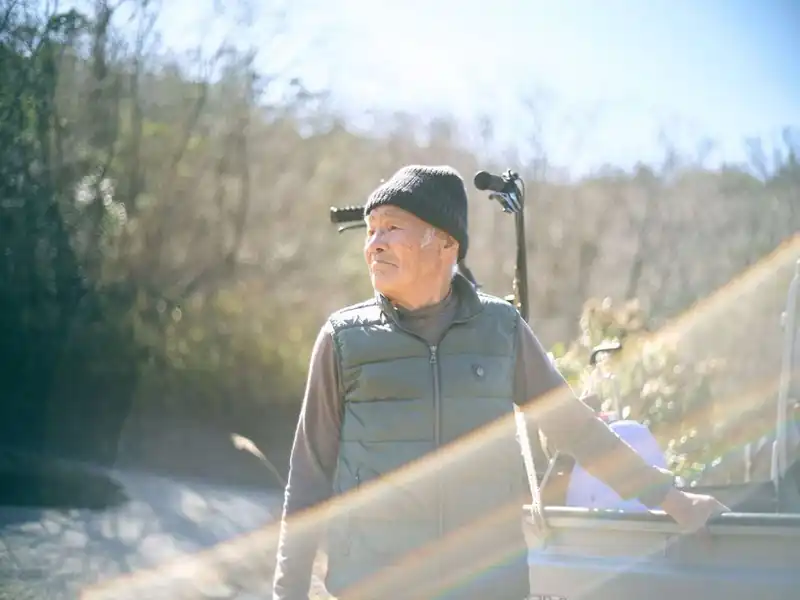
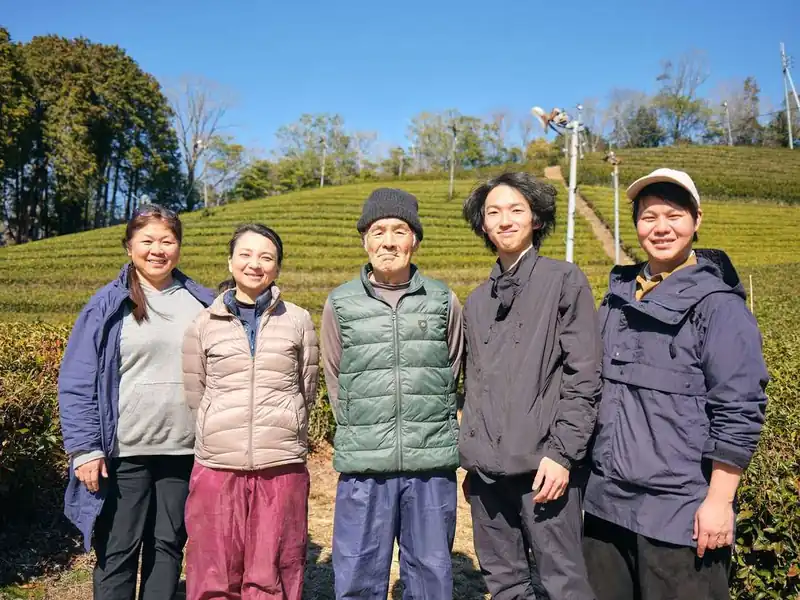
37,600 tea farms in 2005. 12,300 in 2020.
Roughly 1,500 farms a year stop growing tea, and across Japanese agriculture six in ten core farmers are now 65 or over. Buying named-origin matcha at a fair price is the one lever a café abroad actually has. We keep the name on the bag so the money lands where the leaf grew.
Read why we started →