The calendar
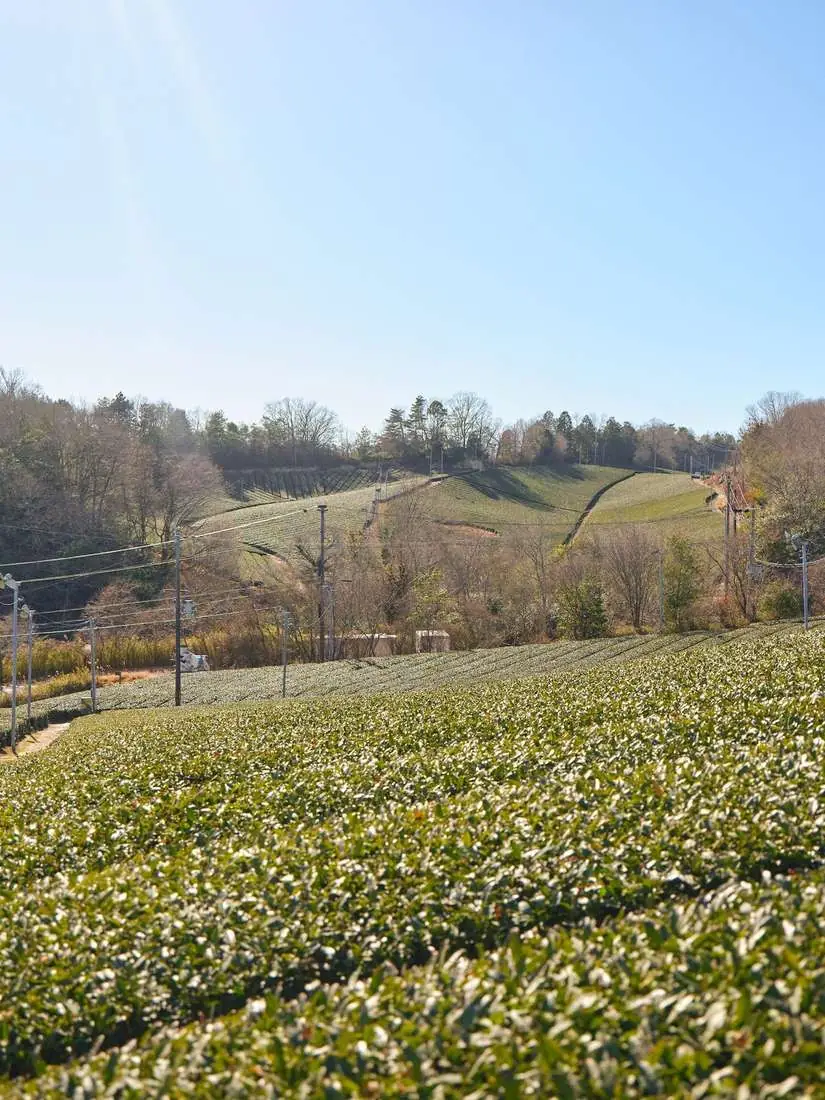
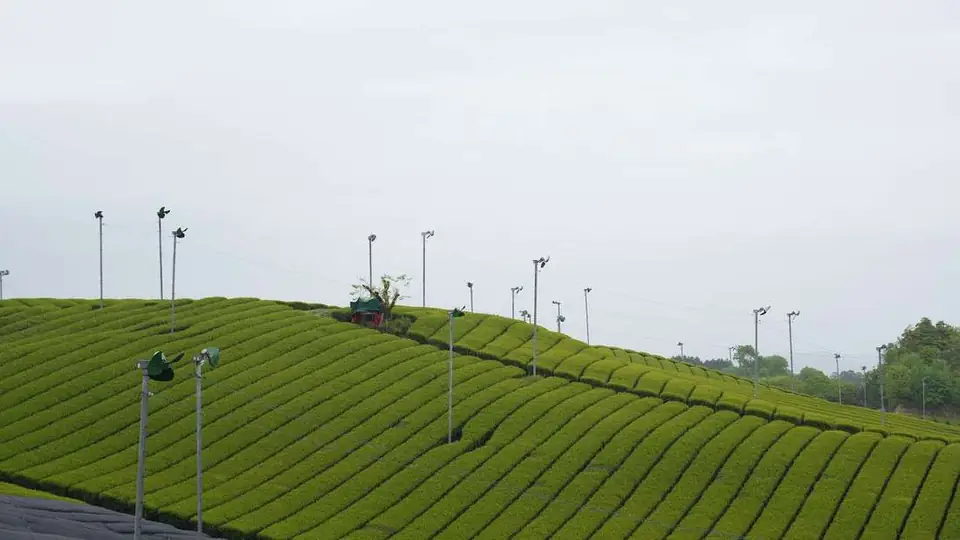
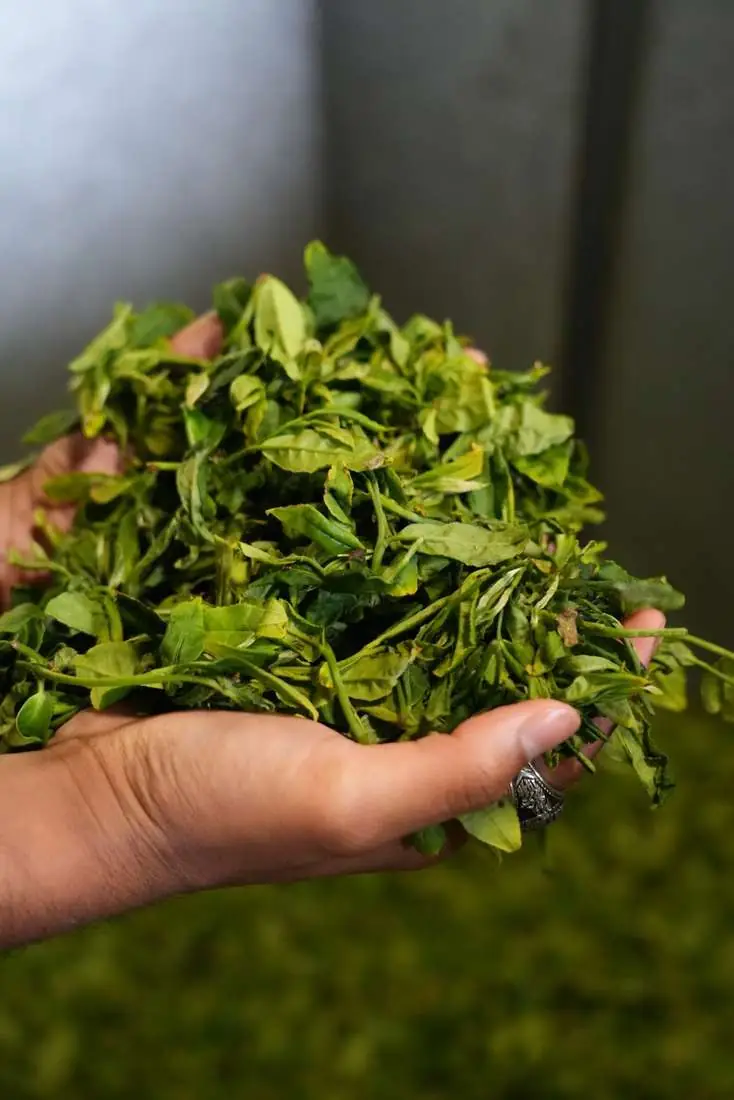
Japanese tea is picked in flushes. The first harvest, ichibancha, is the new spring growth, picked from late April in Kagoshima to late May in Kyoto and Yame. The second, nibancha, is the regrowth picked six to eight weeks later, in June and July. Some fields give a third flush in August, and autumn leaf (shutobancha) is picked in September and October to tidy the bush before winter. For tencha, the leaf that becomes matcha, farmers shade the field for 20 to 30 days before the first harvest, and usually for a shorter time before the second.
What changes in the leaf
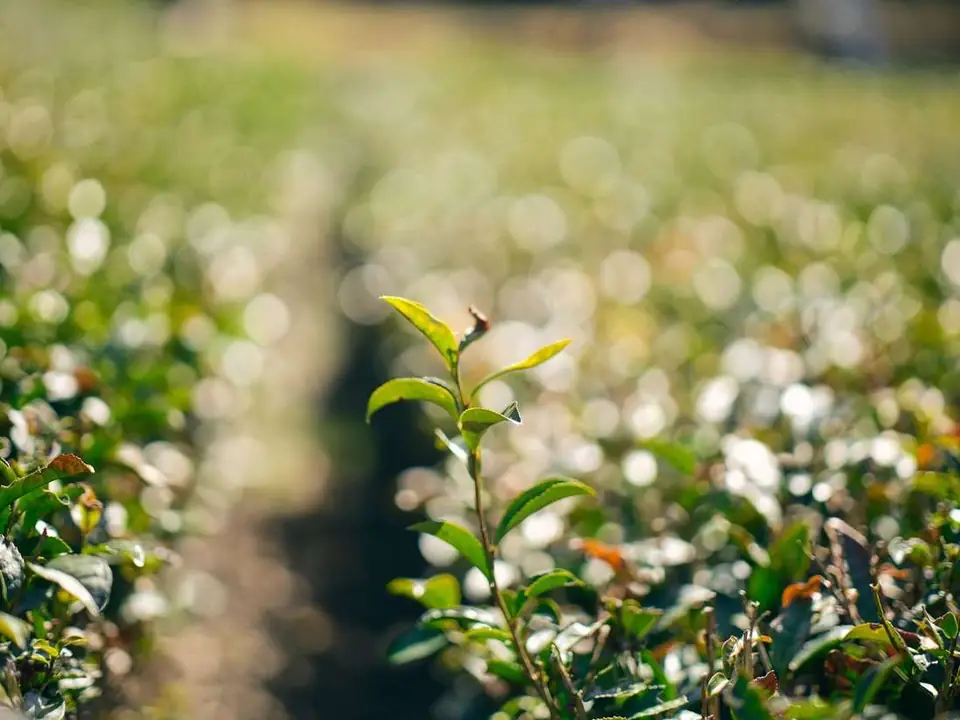
The bush spends winter storing nitrogen in its roots and pushes it into the first flush as amino acids, above all theanine, which tastes sweet and savoury. Under shade the leaf also makes more chlorophyll and converts less theanine into catechins, the bitter, astringent compounds. So first-harvest tencha is high in theanine, high in chlorophyll and low in catechins. By the second harvest the stored nitrogen is spent, the days are long and hot, and the plant makes more catechins and less theanine. The leaf is a little tougher, a little paler and a lot more plentiful.
| First harvest (ichibancha) | Second harvest (nibancha) | Autumn | |
|---|---|---|---|
| Picked | Late April – May | June – July | September – October |
| Theanine (umami, sweetness) | Highest | Moderate | Low |
| Catechins (bitterness, astringency) | Lowest | Higher | Highest |
| Chlorophyll (colour) | Deepest | Good if shaded | Pale |
| Volume | Small: one picking | Larger | Largest, lowest grade |
| Wholesale price, our catalog | $240 – 510 / kg | $160 – 220 / kg | $100 – 130 / kg |
What changes in the cup
Whisked straight, a first-harvest matcha is sweet, thick and smooth with almost no bite, and the foam is fine and stable. A second-harvest matcha is brighter and more bracing, with a clean bitterness at the finish. In a latte the milk covers most of the bitterness, and what you notice is that the second harvest is a shade less green and a little less rich. In an iced drink with syrup, the difference is hard to find, which is why we tell most cafés to put a second-harvest café grade behind the flavoured drinks. In baking and ice cream, the second harvest's higher catechins are an advantage: the flavour comes through butter and sugar, and the first harvest's delicacy is wasted.
First harvest is for the drinks you sell on taste. Second harvest is for the drinks you sell on colour and price.
Which harvest for which drink
- Usucha, matcha americano, tea service: first harvest. Hoshi, Hikari, Jun (organic).
- Hot latte with no syrup: either. First harvest if the latte is your signature; a shaded second harvest such as Izumi or Wa for volume.
- Iced, flavoured, blended: shaded second harvest. Minami, Megumi, Mai.
- Baking, soft serve, sauces: autumn or culinary. Aki, Mine, Minori.
Two things to check on any second-harvest lot: that it was shaded (unshaded summer leaf milled fine is green tea powder, not matcha, and it browns in an hour) and that it was milled recently. Our second-harvest lots are shaded for about 20 days and milled to order. The grade guide lays out all three grades with the harvest, shading, cultivar and mill for each.
Questions buyers ask
What is the difference between first and second harvest matcha?
First harvest (picked April–May) has the most theanine and chlorophyll: sweeter, smoother, greener, and about 30–50 percent more expensive. Second harvest (June–July) has more catechins: brighter, more bitter, a shade less green, and plentiful.
Is second harvest matcha good for lattes?
Yes, if it was shaded. Shaded second-harvest leaf holds colour and umami through milk and is what most café matcha in the world is made from. Unshaded summer leaf is not matcha and browns quickly.
Is ceremonial grade always first harvest?
It should be, but the term has no legal definition. Ask for the harvest and shading days rather than trusting the word.