Why pure matcha still needs a certificate
Matcha is shaded tea leaf, steamed, dried and ground. No additives, no processing aids, nothing animal. On ingredients alone it is as halal as water. The certificate matters because of what happens around the leaf: the mill that grinds it, the line it shares with other products, the cleaning agents, the packaging. A halal certificate from a recognised body is an audit of that mill, and in Malaysia and Indonesia it is what a café chain, a distributor or a retailer needs on file before they can make a halal claim on their own menu or label. That is the practical reason we hold a certified line at all.
Malaysia: JAKIM and the recognised bodies
Malaysia does not require every imported food to be halal certified, but any halal claim or logo has to be backed by a certificate from JAKIM itself or from a foreign halal certification body on JAKIM's list of recognised bodies. That list is published and updated, and it is the first thing a Malaysian buyer should check: not whether the certificate says halal, but whether the issuing body is currently recognised. We send the certificate with every quote so the issuer can be checked before anything ships.
- Check the certifying body against JAKIM's current list of recognised foreign halal certification bodies.
- Check the certificate's scope: which products and which facility it covers, and the expiry date.
- Food imports go through Food Act and MAQIS controls at entry; a licensed forwarder handles the declaration.
- Retail packs follow Malaysian food labelling regulations; bulk foil for your own drinks is exempt.
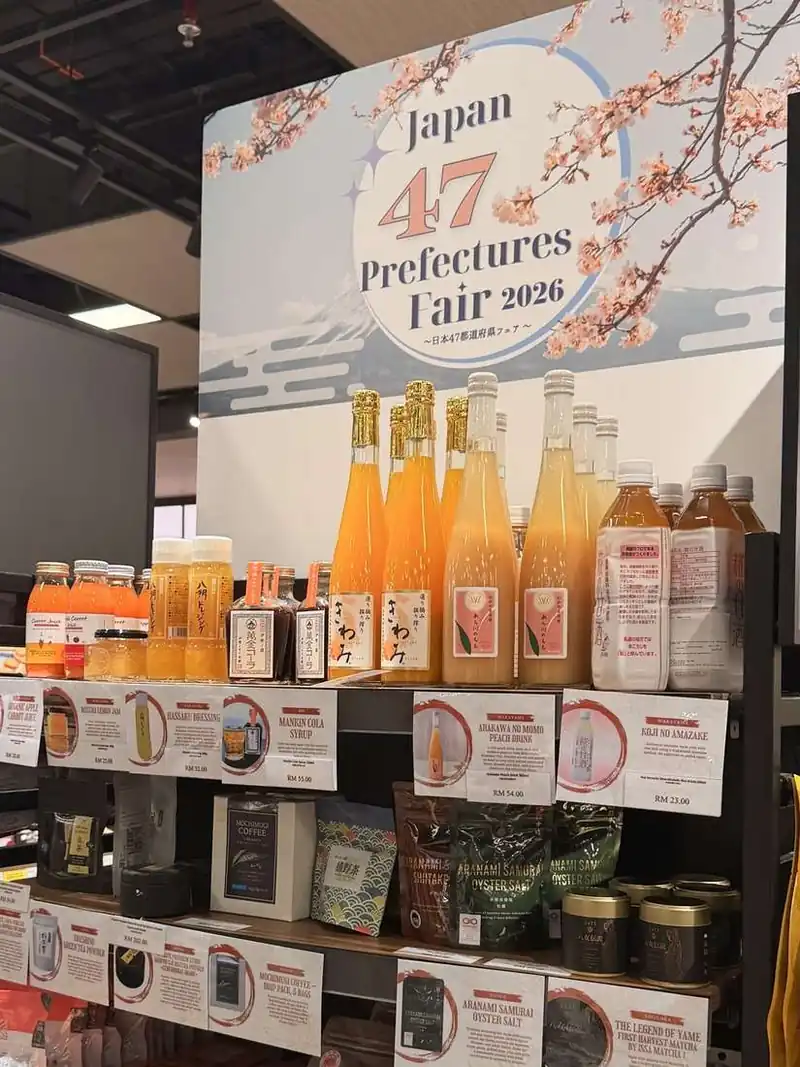
The Malaysia page carries the duty, tax and courier estimates, and this is also where our own retail tin sits on a department store shelf in Kuala Lumpur, so the paperwork above is not theoretical for us.
Indonesia: BPJPH and the halal label
Indonesia is stricter. Under the Halal Product Assurance law, halal certification is being made mandatory for food and beverages sold in the country in phases, with BPJPH (the Halal Product Assurance Organizing Agency) as the authority. Foreign certificates are accepted when the issuing body has a recognition or mutual recognition arrangement with BPJPH; otherwise the importer registers the product for Indonesian certification. The rules and deadlines have moved more than once, so the importer's halal consultant or the local BPJPH office is the source of truth for the current status of a given certifying body. What we can do from our side is supply the certificate, the mill's facility details and the spec sheet, and keep the lot unopened in the mill's packaging so the chain of custody is clean.
What our certified line carries
Six products come from a mill holding halal and kosher certification. The MOQ on this line is 10 kg, in 1 kg foil bags or bulk, and every lot ships with a certificate of analysis.
| Product | What it is | USD / kg, FOB Osaka | Typical use |
|---|---|---|---|
| Yame | Yame ceremonial grade | $295 | Usucha, the drink you name |
| Wa | Blended café grade | $275 | House latte |
| Mai | Blended café grade | $220 | Lattes, iced drinks |
| Mine | Blended culinary grade | $180 | Blended drinks, baking |
| Kaoru | Toasty café blend | $165 | Lattes with a nutty note |
| Kamui | Dark-roast hojicha powder | $100 | Hojicha lattes |
For a chain in Kuala Lumpur or Jakarta running a matcha latte and an iced matcha, Mai at $220 / kg is the one we send first: colour that holds in sweetened milk, a price that leaves margin at local menu prices, and the certificate behind it. Wa is the step up for a drink the menu names.
Duty, tax and the border
Malaysia: import duty on green tea is low or nil depending on classification, sales and service tax may apply, and a licensed forwarder handles the declaration at entry. Indonesia: duty and VAT apply, the importer needs an import licence and the product registration that fits the channel (food service versus retail), and Indonesian retail labelling applies to packs sold to consumers. In both countries, bulk foil used for drinks you make yourself sits under food-service rules and avoids the retail label. We quote DDP or FOB Osaka, and our forwarder can advance duty and tax so your receiving team is not billed at the door. Our halal matcha overview covers the certificate itself in more depth.
How to order
- Ask for the certificate first. We send it with the spec sheet so you can check the issuing body against your authority's list.
- Sample. Up to six teas at 20 g each on the sample form; Malaysia and Indonesia are in our Asia Pacific courier zone.
- Order from 10 kg on the certified line. Tiers from 20 kg; standing monthly orders fix the price for the harvest year.
- Tell us the channel. Food service and retail need different labels and, in Indonesia, different registrations.
Questions buyers ask
Is matcha halal?
Pure matcha is ground tea leaf with nothing added, so the ingredient itself is halal. A certificate matters because it audits the mill, the shared lines and the packaging, which is what a halal claim on a menu or label has to rest on.
Which halal certificates does Malaysia accept?
JAKIM's own certificate, or one from a foreign halal certification body on JAKIM's current list of recognised bodies. Check the issuing body on the certificate against that list before relying on it.
Does Indonesia require halal certification for imported matcha?
Indonesia is phasing in mandatory halal certification for food and beverages under BPJPH. Foreign certificates are accepted where the issuing body is recognised by BPJPH; otherwise the importer registers the product locally. Check the current status with the importer's halal consultant.
What is the minimum order on your halal line?
10 kg per product, in 1 kg foil bags or bulk. Yame, Wa, Mai, Mine, Kaoru and Kamui are the six products, from $100 to $295 per kg FOB Osaka.