The four things that kill matcha
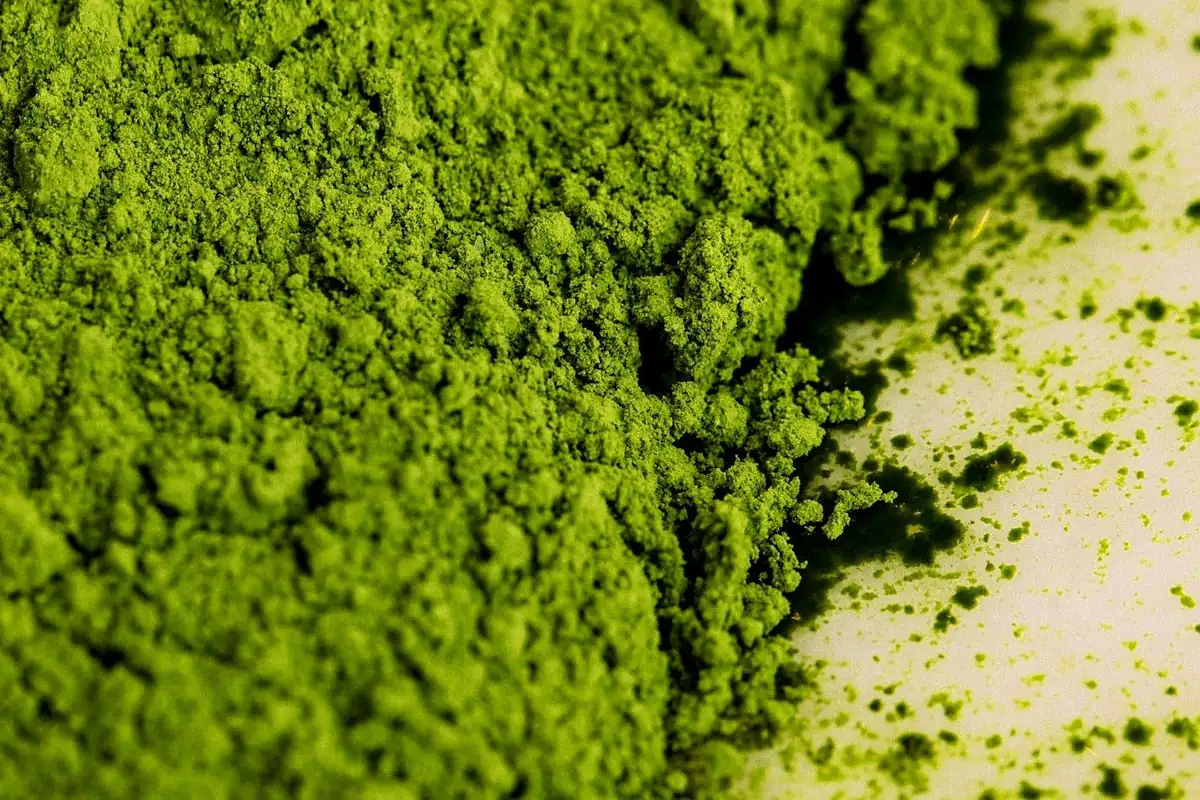
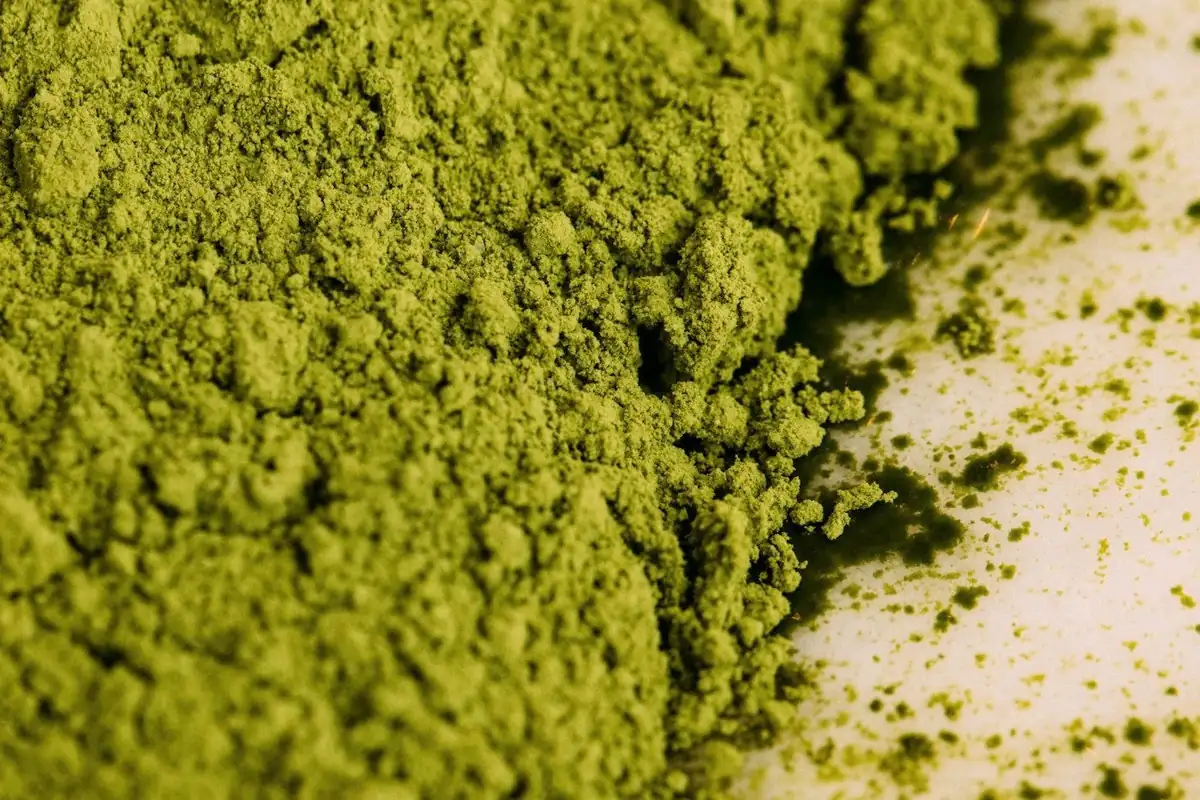
Matcha is a powder with a huge surface area, ground from shaded leaf that is rich in chlorophyll and amino acids. That is what makes it green and sweet, and it is also what makes it fragile. Four things degrade it: oxygen, light, heat and moisture. Oxygen and light bleach the chlorophyll, which is the colour going from vivid green to khaki. Heat speeds every reaction up. Moisture clumps the powder, dulls the aroma and, in a café, is the one you cause yourself by taking a cold bag out of the fridge and opening it in a warm room.
None of this is dramatic on day one. It is a slow slide, and the reason your third week of lattes looks different from your first.
How it arrives
Every lot we ship is packed at the mill in foil, nitrogen-flushed, with a resealable zip. The nitrogen displaces the oxygen inside the bag, so an unopened bag is as stable as the tea gets. Our shelf-life statement on every product page is 12 to 24 months from packing, with the best-by date set to your requirement, and that applies to an unopened bag kept cool and dark. The clock that matters to a café starts when the seal breaks.
| Format | Size | Best for | Why |
|---|---|---|---|
| Bulk foil | 1 kg | Kitchens and high-volume bars | Lowest cost per kilo; decant into a working container and reseal |
| Foil bag | 100 g | The bar | One bag is roughly 25 lattes at 4 g; opened and finished inside a week |
| Retail pouch | 30 g | Shelf sales | About 15 cups; the customer opens it at home |
Fridge, freezer or shelf
Unopened bags: the fridge is ideal, a cool dark cupboard is fine, the freezer is unnecessary for anything you will use within a year. Opened bags: the fridge, always, and finished within four to six weeks for full colour. The freezer is only for long holds of unopened stock, and if you use it, let the bag come to room temperature before opening it, which brings us to the condensation point below.
The one place matcha should never live is next to the espresso machine or the steam wand. The bench behind a busy bar sits well above room temperature, and the humidity from the wand is exactly the moisture the powder absorbs.
On the bench: 100 g bags and the six-week rule
This is the single change that fixes most storage problems. Buy the kilo, but ask for it packed as 100 g bags, which is how we send Wa and most of our café grades at the same price per kilo. One bag on the bar at a time, opened and used within days, the rest sealed in the fridge. The tea you serve is always within a week of opening, and the one kilo of inventory still costs what one kilo costs.
If you are working from a 1 kg bulk bag, decant 100 to 150 g into an airtight, opaque container for the shift, press the air out of the big bag, zip it and put it back in the fridge. Do not leave the bulk bag open on the bench with a scoop in it. The six-week rule: once a bag is opened, plan to finish it within six weeks for full colour, and within four if it lives on the bench. Beyond that it is still safe, just duller.
Condensation, the quiet killer
A bag taken straight from the fridge and opened in a 28 °C kitchen pulls water out of the air onto the cold powder. You will not see it, but the tea will clump within a day or two and the aroma flattens. The fix costs nothing: take the bag out, leave it sealed on the bench for 20 to 30 minutes, then open it. For the freezer, give it an hour. This is also why we suggest sifting the dose rather than scooping straight from the bag: a sifted 4 g whisks into a smooth paste, and a clumped 4 g gives you grit at the bottom of the cup and a weaker colour on top.
The storage checklist
- Unopened bags in the fridge or a cool, dark cupboard. Nitrogen-flushed foil keeps them stable to the best-by date.
- Opened bags in the fridge, air pressed out, zip closed. Finish within four to six weeks.
- On the bar, work from 100 g bags or a 100 to 150 g decant in an opaque airtight container.
- Let a cold bag sit sealed for 20 to 30 minutes before opening it.
- Sift the dose. 4 g per latte, whisked in 40 ml of water at 80 °C.
- Keep matcha away from the steam wand and the espresso machine.
- Rotate stock by the lot number on the bag, oldest first. The COA and spec sheet for each lot carry the milling date.
If you want to see how a tea holds up before you commit to a kilo, the sample form sends up to six teas at 20 g each. Open one, leave it on the bench for a week, and compare it with a fresh one. The difference is the storage, not the tea.
Questions buyers ask
Should matcha be stored in the fridge?
Yes. Unopened bags keep well in the fridge or a cool, dark cupboard. Opened bags belong in the fridge with the air pressed out, and should be finished within four to six weeks for full colour.
Can I freeze matcha?
You can freeze unopened bags for long holds, but it is unnecessary for stock you will use within a year. Always let a frozen or chilled bag come to room temperature before opening it, or condensation will clump the powder.
How long does matcha last after opening?
Plan on four to six weeks for full colour and aroma, four if the bag lives on the bench. It remains safe to drink after that, but the green dulls and the aroma flattens.
Why do cafés buy 100 g bags instead of 1 kg?
A 100 g bag is about 25 lattes, so it is opened and finished inside a week while the rest of the kilo stays sealed in the fridge. We pack most café grades as 100 g bags at the same price per kilo as bulk.