- Uji tells you where the tea was finished, not which field it grew in, when it was picked or how long it was shaded.
- Harvest, shading and cultivar decide the taste; a first-harvest, 20-day-shaded Saemidori from Yame out-cups a second-harvest lot from anywhere.
- Read the spec sheet, not the region: harvest, shading days, cultivar and mill are the four lines that matter.
What "Uji" actually means
Uji is a city south of Kyoto and, for four hundred years, the most famous name in Japanese tea. It is not a protected origin the way a wine appellation is. The industry definition used in Kyoto covers tea grown in Kyoto and three neighbouring prefectures (Nara, Shiga and Mie) that is blended and finished by Kyoto companies. A bag that says Uji tells you where the tea was finished. It does not tell you which field it grew in, when it was picked, or how long it was shaded.
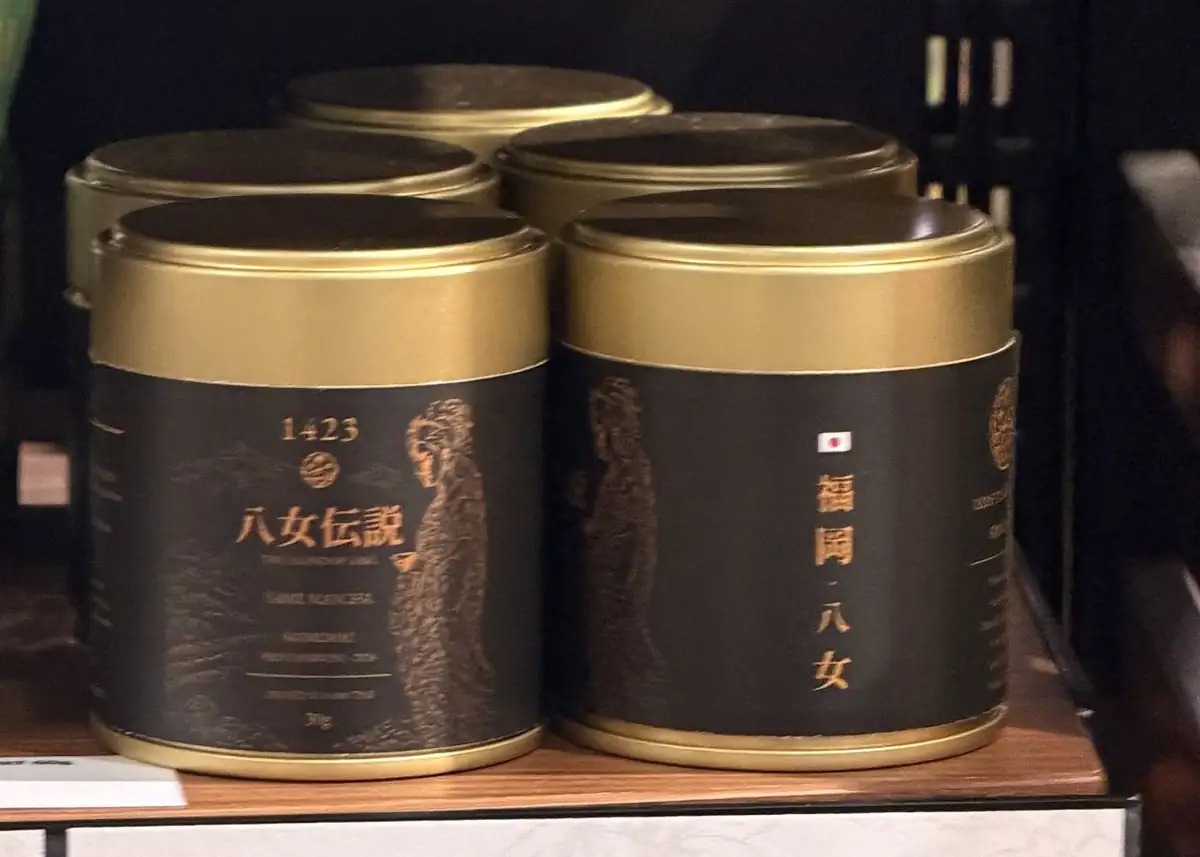
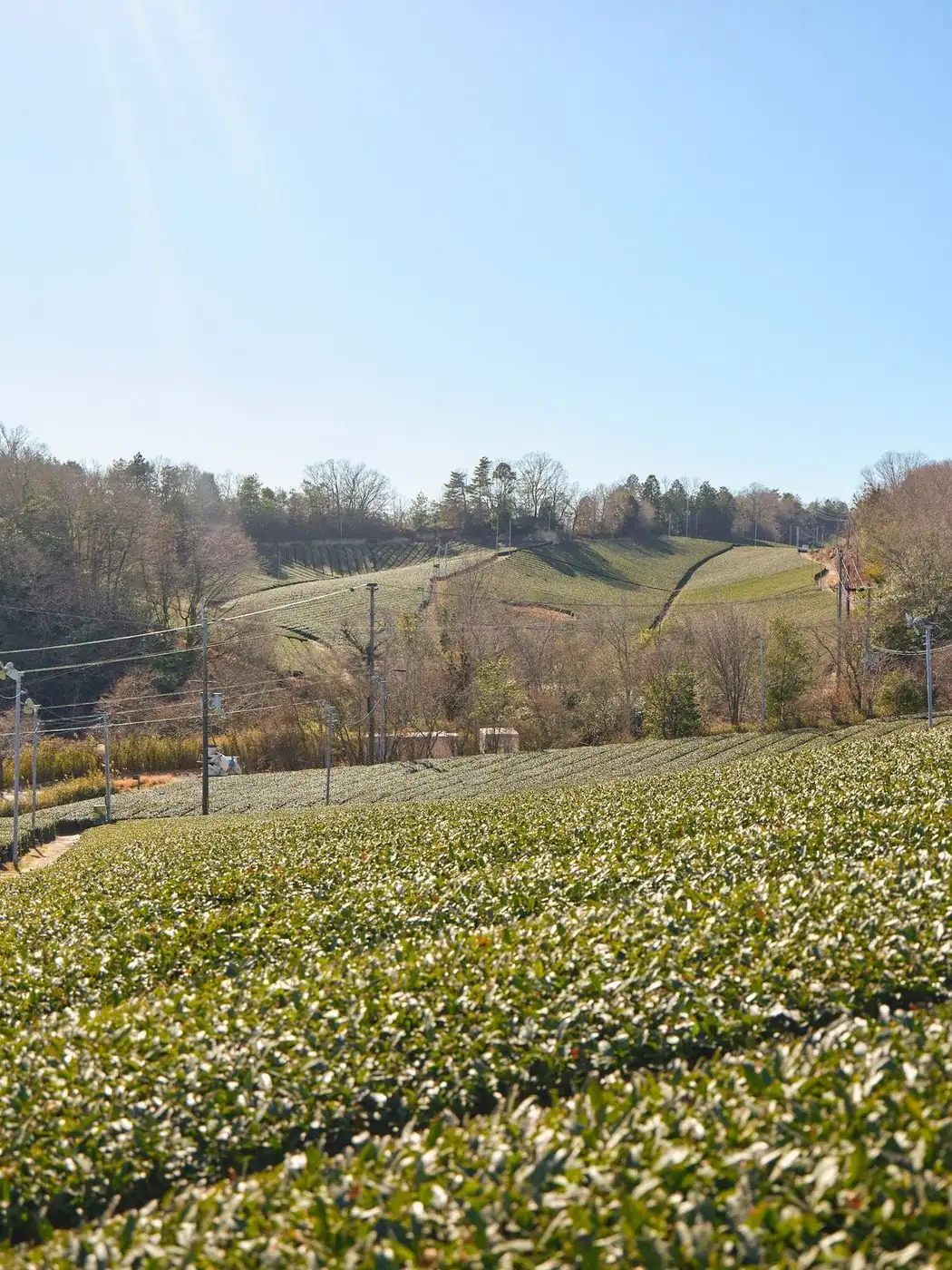
Those three things, harvest, shading and cultivar, are what decide the taste. The region tells you the climate. A first-harvest, 20-day-shaded Saemidori from the hills of Yame will out-cup a second-harvest lot from anywhere, Uji included.
What the cup says
We cup every lot the same way: 2 g in 70 ml of water at 75 °C, and a 2 g latte in 180 ml of milk, scored for umami, bitterness and aroma. Yame's shaded mountain tencha consistently scores high on umami and low on bitterness, which is exactly what a latte needs. Uji lots at the same price often score higher on aroma and lower on body. Neither is wrong. One of them is usually cheaper.
The region tells you the climate. The harvest and the shading tell you the taste.
How to read a spec sheet
Ask any supplier, us included, for four lines: harvest (first, second, autumn), shading days, cultivar, and mill type with particle size. If a supplier can't give you those, the word on the front of the bag is doing all the work. Every product page on this site lists all four.
What we recommend
If your menu needs the word Uji, we can source a named lot from Wazuka or Minamiyamashiro on request. If your menu needs a matcha latte that holds its colour until 3 pm at a price you can build a margin on, sample Yame and Sae side by side and let the cup decide.