Why ten minutes, and why it is usually zero
Most cafés hire for espresso and assume matcha will look after itself. It is a scoop and a whisk, how hard can it be. Then the new hire's lattes come out pale, lumpy or bitter, and the regulars who order matcha notice before anyone on the bar does, because they drink the same thing three times a week. Matcha is less forgiving than espresso in one way: there is no machine holding the variables steady. The barista is the machine. Dose, water temperature, whisking and milk temperature are all in their hands, and each one moves the drink.
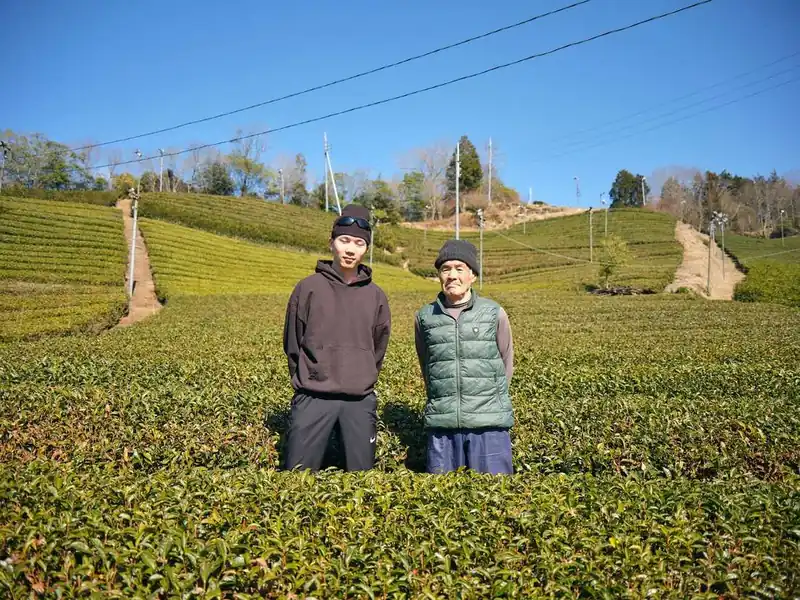
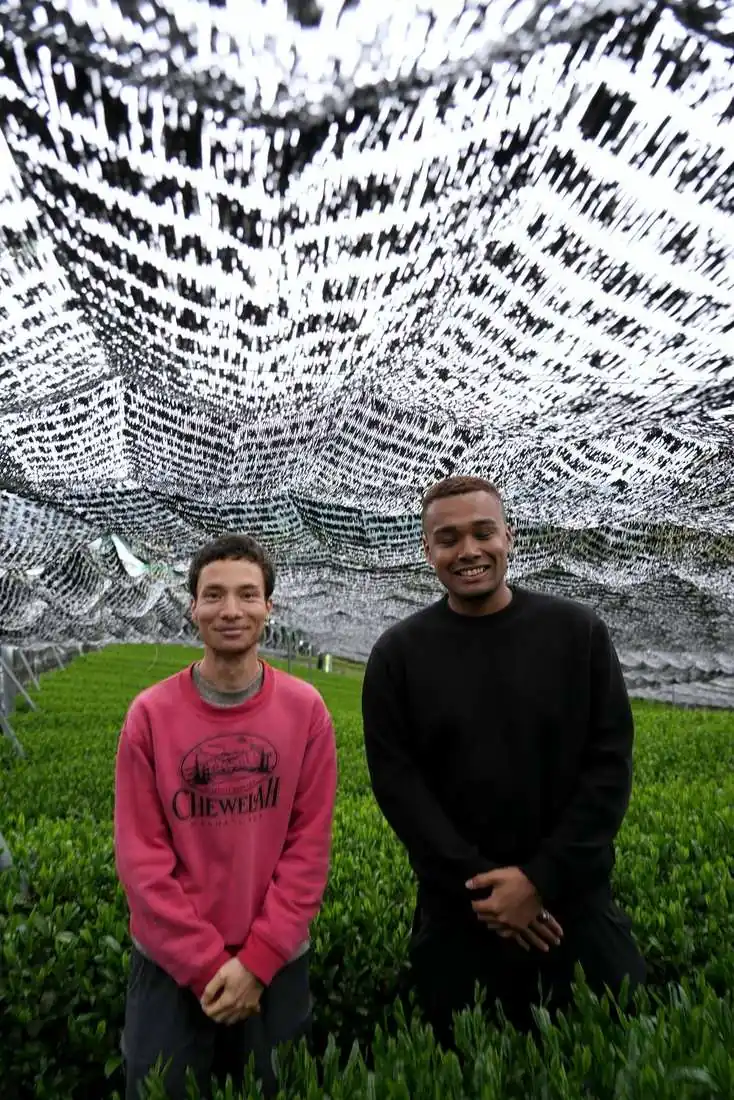
The good news is that there are only those four variables, so a ten-minute onboarding covers all of them. This is the one we used behind our own pop-up counter in Tokyo, where staff who had never whisked matcha were pouring it by the dozen within a week. Our house pour there was Wa, $275 / kg, FOB Osaka, a café blend chosen because it is forgiving: the colour holds in milk and the bitterness stays low even when the water is a few degrees off. Whatever grade you run, the method below is the same.
The kit, and what each piece is for
- A 0.1 g scale. The dose is weighed, never scooped. A heaped teaspoon of matcha can be 2 g or 4 g depending on how the powder has settled.
- A small sieve. Sifting takes five seconds and removes the lumps that otherwise end up as grit at the bottom of the cup.
- A bowl or a 300 ml pitcher. Something wide enough to whisk in. A latte pitcher works and saves a wash.
- A bamboo whisk, or a handheld electric frother. The bamboo whisk gives the finest foam; the electric frother is faster and more consistent across a team, and for lattes the difference disappears in the milk.
- A kettle with a temperature setting, or a thermometer. 80 °C for the latte paste, 75 °C for tea served straight. Boiling water is the most common cause of a bitter cup.
- One 100 g bag of the house matcha. Open on the bar, the rest of the kilo sealed in the fridge.
- A damp cloth. Green powder on a white counter is the first thing a customer sees.
The method: 4 g, 40 ml at 80 °C, 180 ml milk
One recipe, hot and iced, for every grade on the bar. Show it once, then watch the new hire do it twice.
- Weigh 4 g of matcha onto the scale.
- Sift it into the bowl or pitcher. Tap the sieve, do not push the powder through.
- Add 40 ml of water at 80 °C. Boiled water left to stand for three to four minutes in an open kettle is close enough if you have no temperature control.
- Whisk hard for 15 to 20 seconds in a W or M motion, not a circle, until there are no lumps and the surface is a fine, even foam. With an electric frother, keep the head at the bottom for 10 seconds, then lift it to the surface for 5.
- Pour the shot into the cup.
- Steam 180 ml of milk to 60 to 65 °C and pour it over. Milk over 70 °C flattens the sweetness and dulls the green, and the drink arrives too hot to taste.
- Iced: pour the shot over a cup full of ice, then add 180 ml of cold milk. Syrup only if it is on the menu.
A practised barista does this in about a minute. In the first week, 90 seconds is fine; speed comes from repetition, and a slow green latte beats a fast khaki one.
The five mistakes of week one
- Scooping instead of weighing. The dose drifts by up to half, and the drinks drift with it. The scale is non-negotiable.
- Water straight off the boil. Matcha whisked at 100 °C tastes scorched and bitter, and the foam collapses. 80 °C is the number.
- Skipping the sieve. Lumps do not whisk out. They sink, and the customer finds them at the bottom of the cup.
- Whisking in too much water. 40 ml makes a paste that whisks into foam. 200 ml of water makes a thin tea that will not foam and looks weak once the milk goes in. Whisk small, then dilute.
- Milk too hot. The steam wand is set for flat whites at 65 °C and someone holds it longer for matcha because the shot is not hot. It does not need to be. Pull the wand at 65.
The 30-second drink check
Have the trainer and the new hire make the same drink side by side and compare the two cups. This is the whole quality system, and it fits in a table.
| Look at | Pass | If it fails |
|---|---|---|
| Surface foam | Fine, even, bubbles no bigger than a pinhead | Big bubbles or none: whisk longer, check the water was not boiling |
| Colour | Bright, even green | Khaki or grey: old open bag, water too hot, or a culinary grade in a ceremonial drink |
| Bottom of the cup | Clean | Sludge or grit: not sifted, or not whisked long enough |
| Taste | Sweet and savoury with a light, clean bitterness | Harsh: water too hot or the dose is high. Thin: dose low, or too much milk |
| Temperature | Drinkable straight away | Too hot to sip: milk steamed past 65 °C |
The colour row is the one customers judge by, and it is also the one that changes after the drink is made. Why an iced latte goes olive by mid-afternoon, and which grades hold, is in our colour article.
The bag, the fridge and the week
The last part of the onboarding is not about the drink, it is about the bag. One 100 g bag open on the bar, zipped between uses, and finished within the week. The rest of the kilo stays sealed in the fridge. An opened bag left next to the steam wand loses its colour in days, and the new hire will get blamed for a drink that was dull before they touched it. The full storage routine, including why a cold bag should sit sealed for 20 minutes before it is opened, is in our storage article. We pack most café grades as 100 g bags at the same price per kilo as bulk for exactly this reason.
The card on the wall
Put the card next to the grinder, not in a folder. Then, for the first week, do the side-by-side check once a shift. After that the drink is theirs. If you are still choosing a house grade, the sample form sends up to six teas at 20 g each; run this onboarding on each one and keep the grade your team makes well every time, not the one that tasted best once. How we define ceremonial, café and culinary is on the grades page, and the five recipes we run on the one method are in the café recipes article.
Questions buyers ask
How much matcha goes into a café latte?
4 g, weighed and sifted, whisked in 40 ml of water at 80 °C, then 180 ml of milk steamed to 60 to 65 °C or poured cold over ice. One 100 g bag is about 25 lattes.
What water temperature should a barista use for matcha?
80 °C for the latte paste. Water straight off the boil scorches the tea and collapses the foam. For matcha served straight as usucha, 75 °C.
Do baristas need a bamboo whisk?
Not for lattes. A handheld electric frother gives a consistent result across a team and the difference disappears in the milk. Keep a bamboo whisk for tea served straight, where the finer foam shows.
How long does it take to train a barista on matcha?
About ten minutes for the method and the kit, then a week of side-by-side drink checks for consistency. Dose by weight, water at 80 °C and milk no hotter than 65 °C cover most of what goes wrong.
Prices and lots named in this article are as published on Nov 2026; the catalog always carries the current list price per kilo.