The numbers
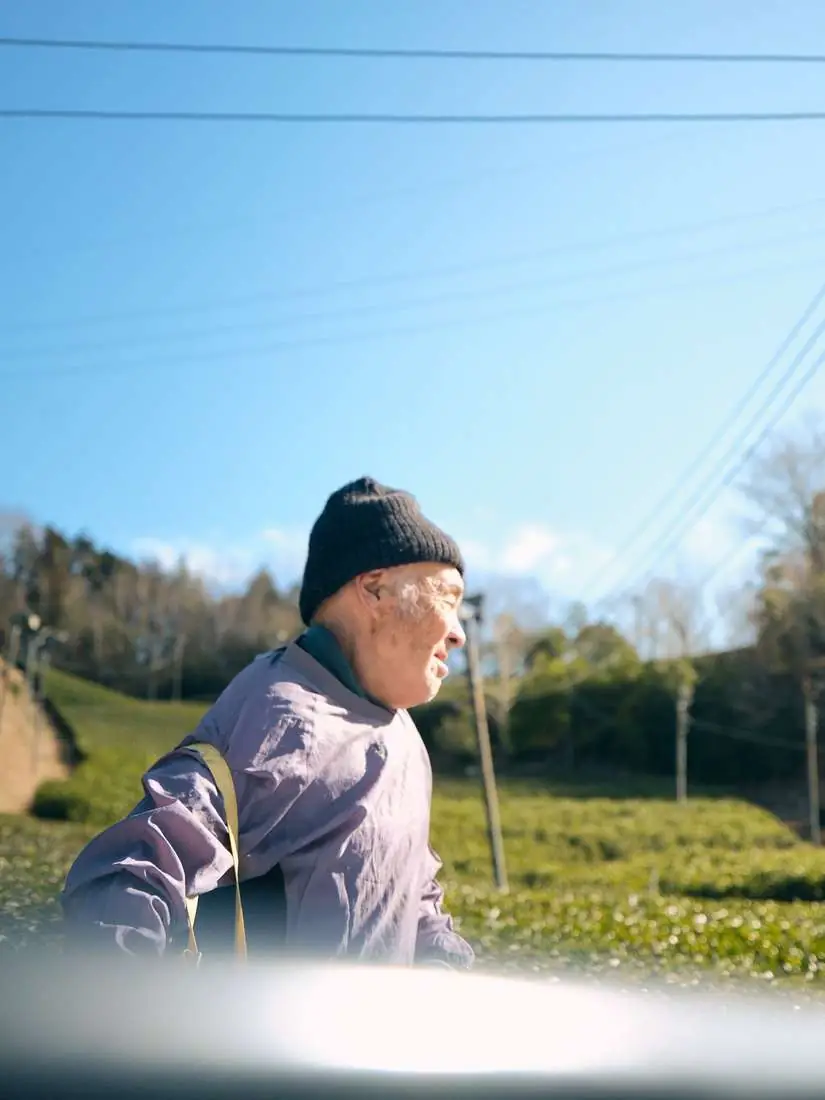
Japan's agricultural census counts tea-growing farms every five years. The count went from roughly 53,000 in 2000 to roughly 20,000 in 2015 and roughly 12,000 in 2020, which is between 1,000 and 1,500 farms a year, every year, for twenty years. The 2025 census figures were being published as this was written and every early indicator points the same way. Planted area has followed: from about 47,000 hectares in 2010 to around 35,000 today. The average tea farmer is about 65 years old, and the farms that close are overwhelmingly small, steep, family-run sencha plots with nobody to take them over.
| Year | Tea-growing farms (census) | Planted area |
|---|---|---|
| 2000 | ~53,000 | ~50,000 ha |
| 2010 | ~34,000 | ~47,000 ha |
| 2015 | ~20,000 | ~44,000 ha |
| 2020 | ~12,000 | ~39,000 ha |
| 2024–25 | fewer still | ~35,000 ha |
Production has fallen more slowly than farm numbers, because the farms that survive are larger and mechanised, and because the cooperatives and companies that buy up leaving neighbours' fields keep them in production. But it is falling: Shizuoka, still the largest tea prefecture, has lost roughly a third of its output since 2010, and its first-harvest volume fell about a fifth in 2025 alone.
Where the farms are closing
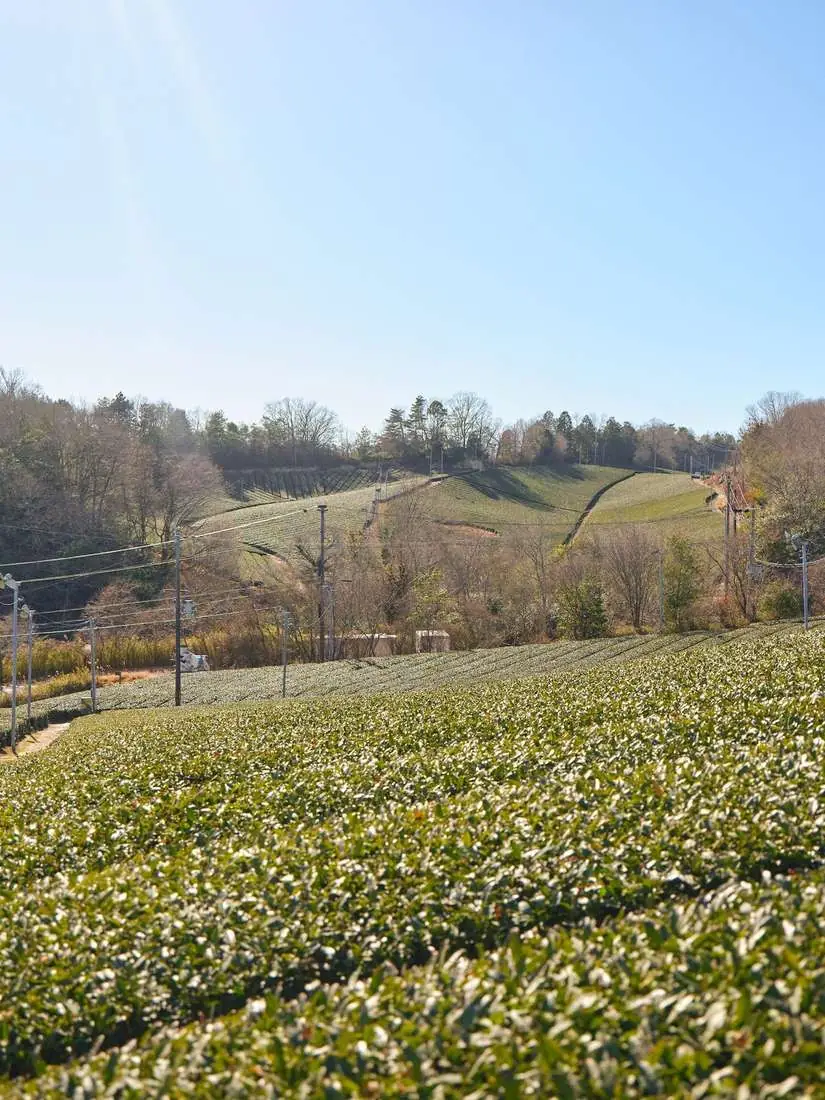
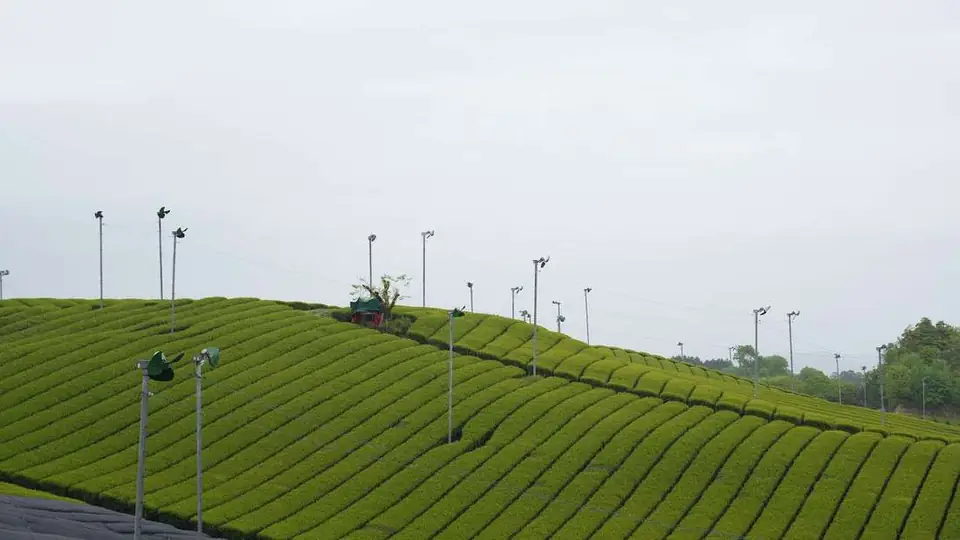
Mostly in the hills. Shizuoka's classic tea country is terraced hillside where machines cannot ride and the picking is done by two people carrying a hedge-trimmer between them. Those farms grow sencha, the leaf that Japanese people drink at home, and the domestic market for loose-leaf sencha has been shrinking for thirty years as bottled tea replaced it. A 70-year-old on a hillside plot growing a product whose price has not moved since 1995 does not get a successor. Kyoto's Uji region has the same terrain problem and the same demographics; it survives on the brand. The flat tea country of Kagoshima, and to a lesser extent the plateau farms of Yame and Miyazaki, is where farms are consolidating rather than disappearing: fields are long and level, riding machines pick and prune, and one family can run twenty hectares.
Why matcha is the exception
Tencha is the one category where the price has gone the right way. A kilo of first-harvest tencha cleared the Kyoto auction at about ¥14,500 in 2025, nearly three times the year before, and Kagoshima and Yame tencha set records too. Farmers who can shade a field are converting sencha plots to tencha as fast as they can build the frames, and some prefectures subsidise the conversion. That is good for supply in three to five years. It does not help this year, and it will not reopen the hillside farms, which cannot be shaded economically. So the map of Japanese tea is redrawing itself: fewer, bigger, flatter, and increasingly shaded. Our note on the 2026 shortage has the auction numbers.
Fewer, bigger, flatter, shaded. That is the tea map in 2030, and it is why Kagoshima now picks more first-harvest leaf than Shizuoka.
What it means for a buyer
- Regional single-origin matcha will get scarcer and more expensive, especially anything hand-picked from a named hillside. If a lot like that matters to your brand, contract it now for the harvest year.
- Kagoshima and Yame are where the volume is. They are also where the shading, cultivar and mill practice is modern. Buyers who insist on Kyoto are competing with the whole world for a shrinking pile.
- Relationships with mills matter more than they did. Mills allocate scarce first-harvest leaf to the buyers who took second harvest and autumn leaf all year. A supplier who can show you the mill can get you the leaf.
- The best thing a café can do for Japanese tea farms is pay a fair price and keep ordering. The farms closing are not the ones with a matcha contract.
What we are doing about it
We buy at the mill in Yame, Kagoshima and Kakegawa, on standing contracts, and we are starting a farm of our own in Kyoto so that some of the leaf we sell in ten years is ours. Every product page shows which region the leaf came from and which mill ground it, because a buyer who knows that can choose to support the farms that are staying. If you want to talk about a multi-year contract on a specific field, we are easy to reach.
Questions buyers ask
How many tea farms are there in Japan?
Roughly 12,000 tea-growing farms in the 2020 agricultural census, down from roughly 20,000 in 2015 and 53,000 in 2000.
Why are Japanese tea farms closing?
Small hillside sencha farms with ageing owners, no successors and a flat domestic price for loose-leaf tea. Flat, mechanised regions such as Kagoshima are consolidating instead.
Will matcha run out?
No. Tencha is the one category where prices have risen enough to bring new fields into production, but a new field takes three to five years. Expect tight first-harvest supply and higher prices through 2027, with second-harvest café grades plentiful.