
 Culinary
YM-K1Best 5 · No.5
Culinary
YM-K1Best 5 · No.5Origin · Fukuoka
Yame matcha, wholesale.
Mountain tencha from southern Fukuoka. 6 of our 43 products come from here, including 4 ceremonial lots.
10 products1st & 2nd harvestHalal + Kosher on Yame
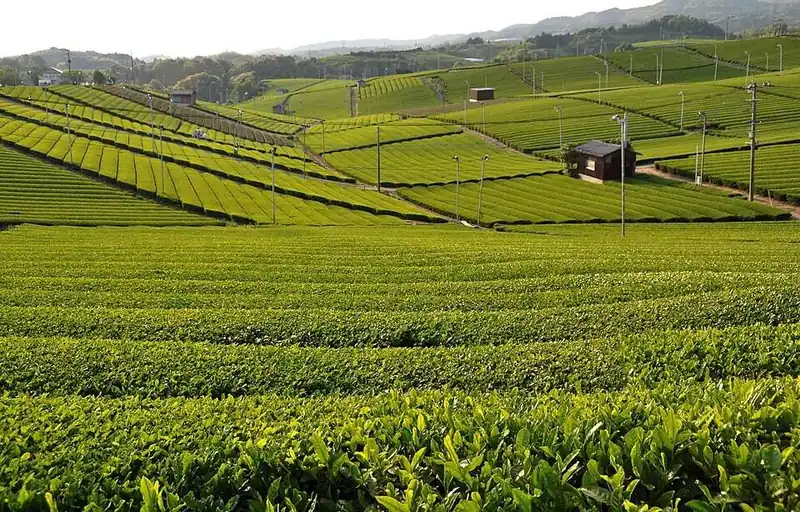
 Yame, Fukuoka
PHOTO: STA3816 · CC BY-SA 4.0 · WIKIMEDIA COMMONS
Grown in Yame
Open in the catalog → Culinary
YM-K1Best 5 · No.5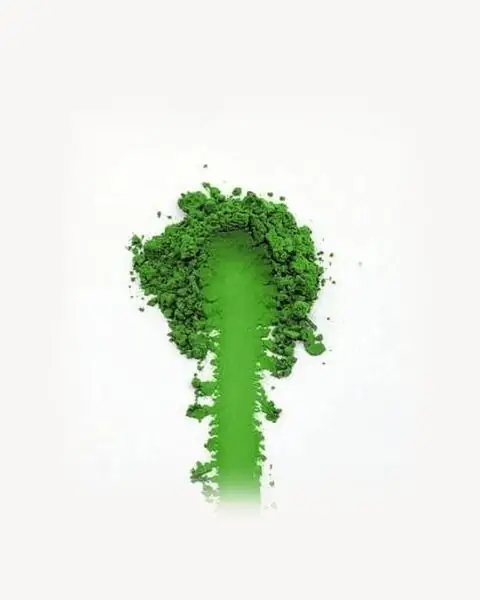 Ceremonial

 YM-C1
YM-C1 Café
YM-B2
Café
YM-B2 Ceremonial
YM-C4
Ceremonial
YM-C4 Ceremonial
YM-C5
Ceremonial
YM-C5 Retail pack
RT-1423
Retail pack
RT-1423Why Yame
Cold mornings, river fog, slow leaves.
Yame sits in the hills of southern Fukuoka. Fog off the Yabe river shades the fields naturally before the nets go on, so the leaf builds theanine slowly. The result is umami with less bitterness than lowland tencha. It is also where we film most of our farm visits.
Districts we buy from
Hoshino, Kurogi, Joyo
Harvest
Late April to mid May (1st), late June (2nd), autumn tencha
Milling
Micromill; particle size on each lot's spec sheet
Certificates
Halal + Kosher on Yame (YM-C1); residue reports on all lots
Filmed in Yame
See the fields before you sample them.
▶ 20K plays
20Kplays
Welcome to the ISSA MATCHA farm@ISSA.MATCHA · 2025-12Questions buyers ask about Yame
Is Yame better than Uji?
Different, not better. Uji is a brand name for tea finished in Kyoto; Yame is a growing region in Fukuoka known for shaded, high-umami tencha. In blind cups, first-harvest Yame regularly scores alongside Uji ceremonial at a lower price per kg.
Why is Yame ceremonial cheaper than Uji ceremonial?
Less brand premium, not less quality. Yame growers sell mostly through regional mills rather than Kyoto wholesalers, so there is one fewer margin between the field and your bag.
Can I get Yame matcha organic certified?
Not from the current Yame lots. For JAS + USDA certified organic we recommend Jun from Kagoshima.
How much Yame can you supply per month?
Several hundred kg per month across the three Yame products at current allocations. Above that we need one harvest of notice to reserve tencha.