
 Matcha blend
JP-B1
Origin · Multi-prefecture
Multi-origin lots, priced for volume.
Three products blended across growing regions: autumn tencha milled for food production, a kabuse-shaded green tea powder for latte menus, and a gyokuro powder for cold brews and desserts. Consistent, and the lowest cost per cup in the catalog.
3 productsAutumn tenchaKabuse & gyokuro powdersCulinary & café
JAPAN · SEVERAL PREFECTURES
Grown in Japan
Open in the catalog →



Why Japan
When the recipe needs green, not a postcode.
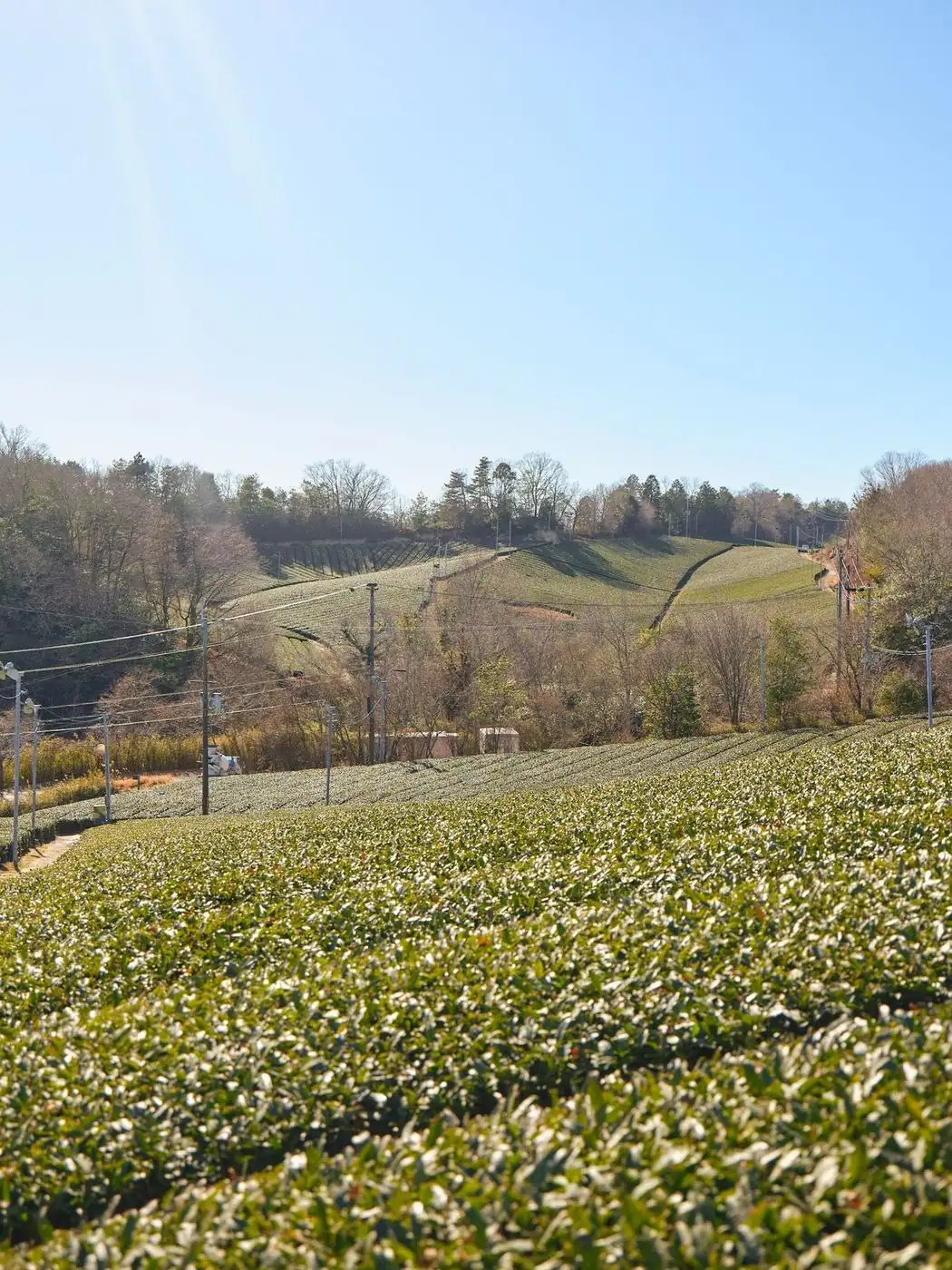
Some products do not need a single origin on the label. For a matcha cookie, a soft serve, a bottled latte or a high-volume latte menu, what matters is stable colour, strong flavour under heat, sugar and milk, and a price that holds. We blend across prefectures for exactly that, and the spec sheet for each lot names the regions.
Sourcing
Autumn tencha, kabusecha and gyokuro from several prefectures, blended by the mill
Harvest
Autumn tencha; spring kabuse and gyokuro
Milling
Micromill; particle size on each lot's spec sheet
Certificates
Residue report per lot
Questions buyers ask about Japan
Can you tell me which prefectures are in the blend?
Yes, per lot, on the spec sheet. The mix changes with the harvest, which is why we do not print it on the label.
Is the kabuse powder matcha?
It is a shaded green tea powder (kabusecha), milled like matcha and blended for lattes. It is not tencha, which is why it costs less; the spec sheet states the leaf type.
Is this the same as culinary matcha?
Minori is our culinary grade. Kasumi is for latte menus; Tama is gyokuro for cold drinks and desserts.