The 2026 ranges
Wholesale matcha is priced per kilogram, in US dollars for export, at a stated incoterm (usually FOB Japan or delivered). The ranges below are what a café or distributor should expect to pay a Japanese exporter for the 2025–2026 crop, in 1 to 20 kg quantities. Larger volumes go 5 to 15 percent lower.
| Grade | Leaf | Typical use | USD / kg, 2026 |
|---|---|---|---|
| Culinary | Later harvest, shorter shading or unshaded, ball or jet milled | Baking, ice cream, sauces, bubble tea | $100 – 160 |
| Café (latte) grade | Shaded second harvest, or first-harvest blends | Hot and iced lattes, blended drinks | $160 – 240 |
| Ceremonial | Shaded first harvest, stone or fine ball milled | Usucha, americano, premium lattes | $240 – 350 |
| Top ceremonial / single cultivar | Hand-picked first harvest, named cultivar, stone milled | Tea service, signature drinks, retail tins | $400 – 550+ |
| Other tea powders | Hojicha, genmaicha, sencha, gyokuro, wakocha | Lattes, baking, blends | $100 – 215 |
Two things about the table. First, origin sits inside every band: a Yame or Uji first harvest sits at the top of ceremonial, a Kagoshima first harvest at the middle, and the difference is mostly auction pressure, not the cup. Second, the bands drifted up 30 to 75 percent between the 2024 and 2025 crops, most at the top. Our note on the shortage has the numbers.
What it costs per cup
The price per kilo is the wrong unit for a café. Divide by 500 (a 2 g latte) and it becomes the number that matters:
| Price per kg | Matcha cost per 2 g latte | Per 1.5 g iced drink | Per 3 g usucha |
|---|---|---|---|
| $100 | $0.20 | $0.15 | $0.30 |
| $165 | $0.33 | $0.25 | $0.50 |
| $220 | $0.44 | $0.33 | $0.66 |
| $290 | $0.58 | $0.44 | $0.87 |
| $510 | $1.02 | $0.77 | $1.53 |
A latte sells for $6 to $8 in most Western cities. Moving from a $165 matcha to a $290 matcha adds 25 cents to a drink that earns you $5 in gross margin, and the customer can taste it. The matcha is almost never the reason a matcha latte is unprofitable. The milk is more expensive than the tea in most cups, and the biggest cost is the two minutes of labour when the barista whisks by hand. Our latte pricing guide works through a full cost sheet.
What moves the price
- Harvest. First harvest is the whole reason for the price ladder. It has the most theanine and chlorophyll and there is one of it a year.
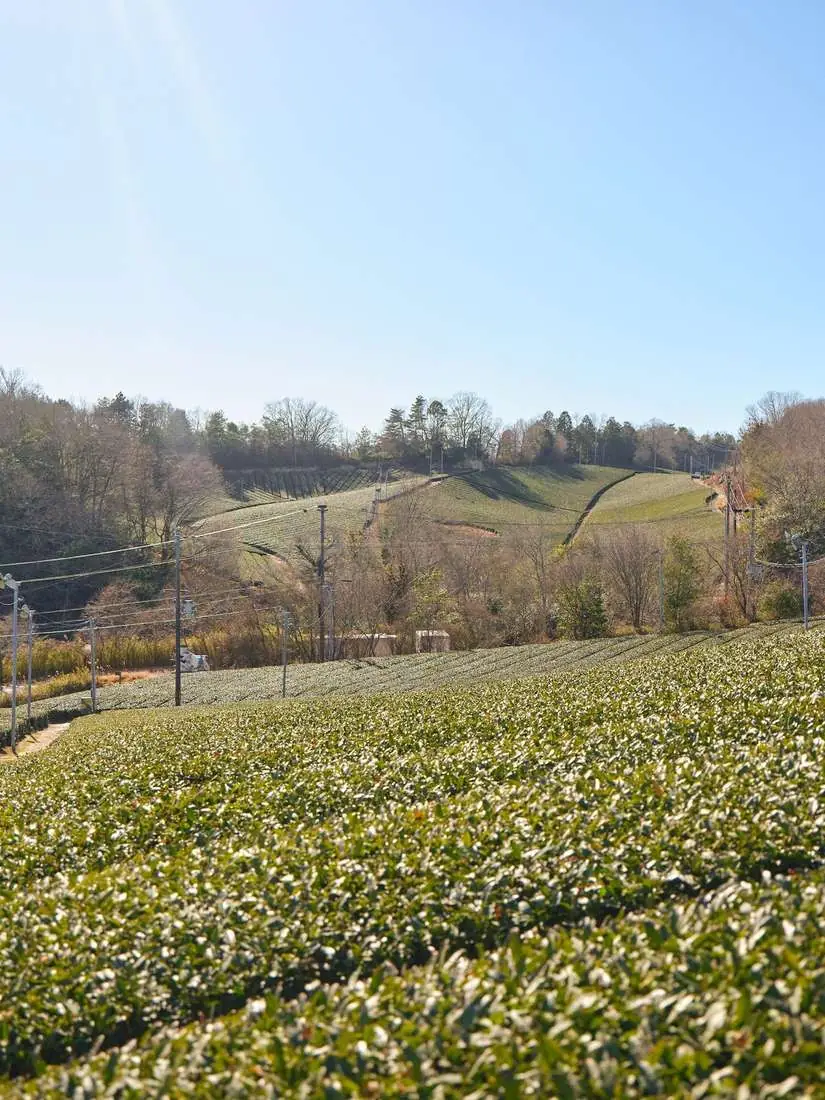
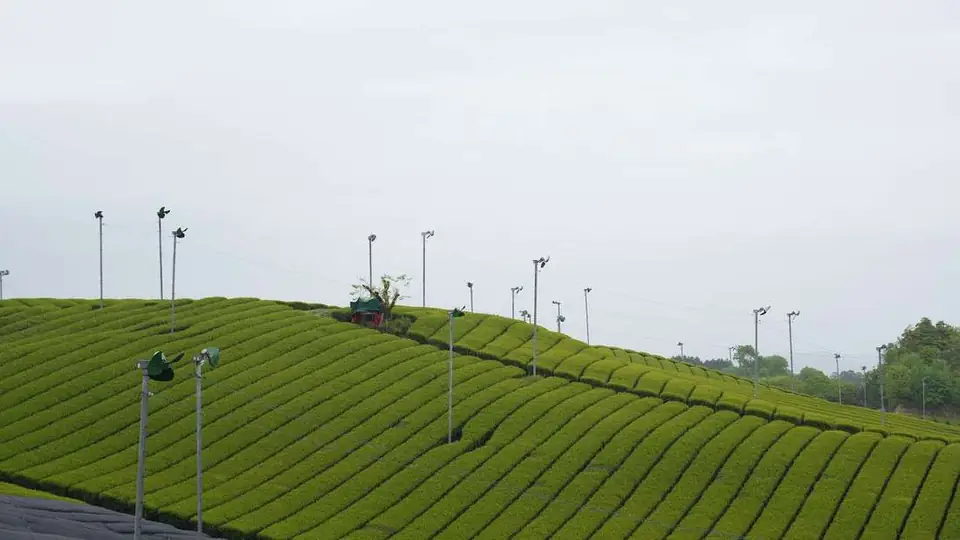
- Shading days. Twenty to thirty days under cover is standard tencha; longer is more work and more risk for the farmer, and more umami.
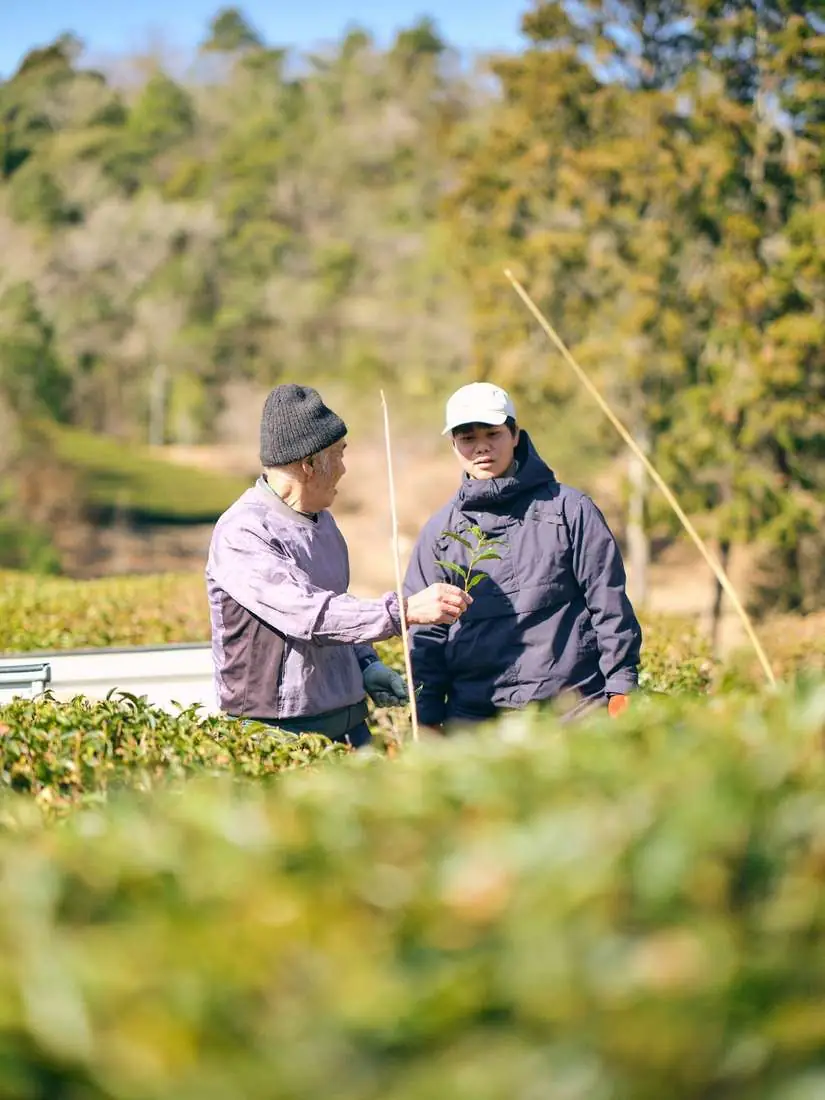
- Picking. Hand-picked lots are a fraction of the volume and command the highest auction prices. Machine-picked first harvest is what most ceremonial matcha is, and it is excellent.
- Mill. A stone mill makes about 40 g an hour. It is the slowest and most expensive step, and the only one you can taste in the foam.
- Certification. JAS and USDA organic add 10 to 25 percent because organic tencha yields are lower. Halal and Kosher add little to the leaf and are a facility cost.
- Auction pressure. Uji carries a premium for the name; Yame and Kagoshima give you the same shading and harvest with less of it.
The floor
Good tencha cost more than ¥5,000 per kg at auction in 2024 and more than ¥14,000 in 2025 in Kyoto, before milling, packing, export and margin. Below about $80 per kg, a product labelled ceremonial in 2026 is either second-harvest leaf sold under a name it did not earn, unshaded green tea powder, or not Japanese. It may still be fine for baking. It is not what the label says, and if it is going into a drink you sell on colour, you will find out at 3 pm.
Our prices
Every product in our catalog shows its price per kg, FOB Osaka, with volume tiers on the product page, from Aki at $100 (autumn Yame, culinary) to Kiwami at $510 (Shizuoka single lot). Our best-selling latte grades sit between $160 and $290. Standing orders are fixed for the harvest year. If a quote you have from another exporter is a lot lower than the ranges above, ask them the four spec-sheet questions from our buying guide before you order.
Questions buyers ask
How much does matcha cost per kg wholesale?
In 2026, from a Japanese exporter in 1–20 kg quantities: about $100–160 per kg for culinary, $160–240 for café grade, $240–350 for ceremonial and $400–550 or more for top single-cultivar lots, FOB Japan.
How much matcha is in a latte?
About 2 g. At $200 per kg that is $0.40 of matcha per drink; at $300 per kg, $0.60.
Why is ceremonial matcha so expensive?
It is made from first-harvest leaf shaded for 20–30 days, which is one picking a year, and it is stone-milled at about 40 g per hour. Auction prices for that leaf roughly tripled in Kyoto between 2024 and 2025.
Is cheap ceremonial matcha real?
Below about $80 per kg in 2026, almost certainly not first-harvest shaded leaf. It may be later-harvest or unshaded powder, or not from Japan. Ask for harvest, shading days, cultivar and mill.